
container terminal and yard cranes Energy Baseline
The baseline for any container terminal starts with clear measurements and simple truths. Diesel yard tractors and cranes drive the yard and they burn large amounts of fuel. In many terminals these machines can make up to 40% of total greenhouse gas emissions, and that share calls for urgent action as operators plan upgrades. Recent studies quantify that a large terminal may emit between 5,000 and 15,000 tonnes of CO₂ each year from yard operations alone, and this gives a clear target for improvement (estimate of CO₂ from yard operations). Idle duty cycles matter. Excessive idling adds roughly 10–20% more fuel use per shift. This increases costs, and it harms local air quality, and it lengthens maintenance periods.
Yard layout and container storage decisions set the scene for daily flows. When containers are stacked badly, vehicles drive longer routes and cranes wait longer. This increases the number of moves and the number of containers that must be reshuffled. The effect then ripples into berth planning and vessel arrivals, and it creates a hidden tax on throughput. At the same time, terminal staff face firefighting instead of planning. Planners and dispatchers juggle many constraints, and human error can still cause rehandles and long driving distances.
To make change, ports must measure energy consumption and act on it. The measurement should include tractors, RTGs and gantry cranes and even the lighting on the storage yard. Better telemetry gives a precise baseline, and so planners can set targets. For context, studies show that optimizing scheduling and reducing idle time cut fuel by 10–20% in practice (operational measure outcomes). That saving matters for both operational costs and environmental sustainability. If a terminal plans upgrades, then clear baseline data speeds approval, and it shortens the time and resources required to show results. When teams track container movements and idle time they can also identify simple fixes that reduce congestion and improve productivity.
crane Electrification for sustainable ports
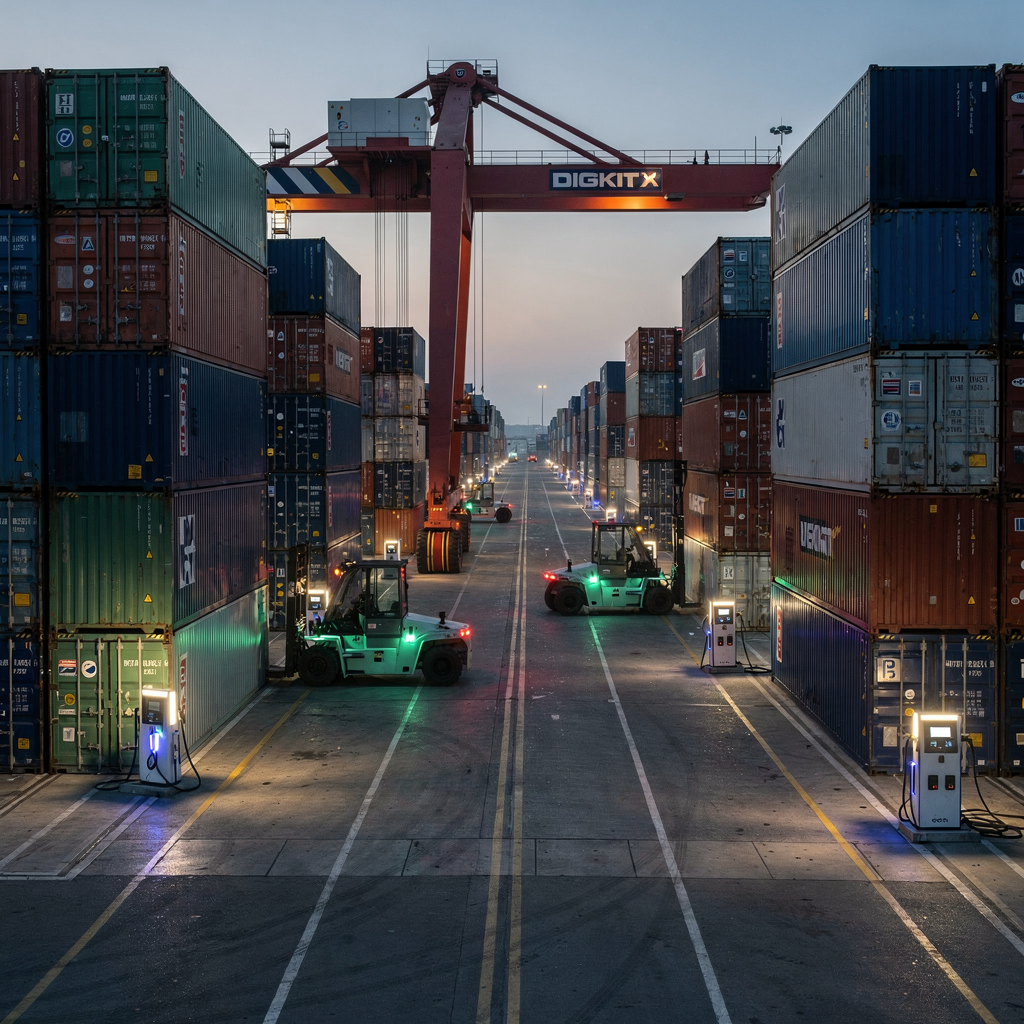
Switching to electric and hydrogen drives delivers measurable outcomes. Battery electric cranes and hydrogen fuel systems reduce fuel consumption by 50–70% in yard equipment, and some installations report much lower maintenance burdens. For example, a recent field project reported a 60% drop in fuel costs after deploying electric yard tractors (NREL project report). Hydrogen fuel‑cell cranes add another option because they emit only water vapour at the tailpipe and so they can approach near‑zero tailpipe CO₂ when paired with low‑carbon hydrogen (hydrogen crane transition).
Electrification also changes operational patterns, and it creates new trade‑offs. Charging cycles need planning and charging windows must align with vessel arrivals and shifts. Opportunity charging can add flexibility, and proven strategies exist for scheduling brief charges between moves to keep cranes active. In this area, digital twins and AI agents can help. For example, reinforcement learning agents can simulate many charging and dispatch scenarios and then select robust policies that protect quay productivity while limiting charging peaks learn about RL for port operations. These approaches can reduce range anxiety, and they can make the transition smooth.
Battery and hydrogen systems improve local air quality too. They lower particulate emissions near terminals, and they reduce noise. This strengthens the social licence of terminals, and it ties back to broader sustainability goals. When operators plan electrification they must coordinate power supply upgrades and check charging infrastructure at the storage yard. They should also assess the mix of gantry cranes, straddle carriers and yard tractors to focus investment where it yields the best returns. With careful planning, ports can modernize while protecting throughput, and they can deliver measurable gains in energy consumption and terminal efficiency.
Drowning in a full terminal with replans, exceptions and last-minute changes?
Discover what AI-driven planning can do for your terminal
port optimization through alternative fuels
Alternative fuels provide transitional paths to lower lifecycle emissions. Biofuels can act as drop‑in replacements for diesel in many machines, and they can cut lifecycle emissions by 20–50% depending on source and blend. The IEA notes that biofuels lower technical barriers and can ease early fleet conversions (IEA Bioenergy report). This option requires minimal retrofits in most cases, and so shipping companies and terminal operators can adopt it quickly while they plan longer term electrification.
Successful adoption does not happen in isolation. It requires supply chain readiness and coordination among fuel producers, equipment OEMs and terminal teams. Supply contracts and storage design must support new fuel types at the yard. For terminals that handle transshipment or that serve many shipping lines, interoperable fuel supply eases operations and it reduces handling interruptions. If a terminal uses intermodal links then the fuel plan should extend to trucks and rail terminals to avoid bottlenecks. In many cases a phased adoption across intermodal container flows keeps disruption low and keeps throughput stable.
Beyond fuels, storage practices matter. Terminals must redesign container storage to limit unnecessary reshuffles, and better container positioning reduces the number of internal moves. These steps reduce the need for high‑emission rehandles and they help meet reducing emissions targets. For terminals seeking detailed planning tools, simulation helps test fuel scenarios and storage layouts before commit. For example, simulation software can model the use of different blends, and it can show the operational costs and the expected lifecycle emissions. This makes it possible to compare options and to choose the optimal solution for the terminal.
real-time visibility and control for efficient yard management
Visibility changes decision quality. When terminals gain real-time telemetry they can reduce idle time and shorten response cycles. Live telematics reduce idling by up to 15 minutes per shift for each vehicle in some pilots, and that cut saves fuel and time. Predictive analytics then forecasts needs and patterns. A neural‑network study showed near 12% savings by predicting equipment deployment and fuel demands (neural network forecasting). These savings come from better sequence decisions and from fewer empty runs.
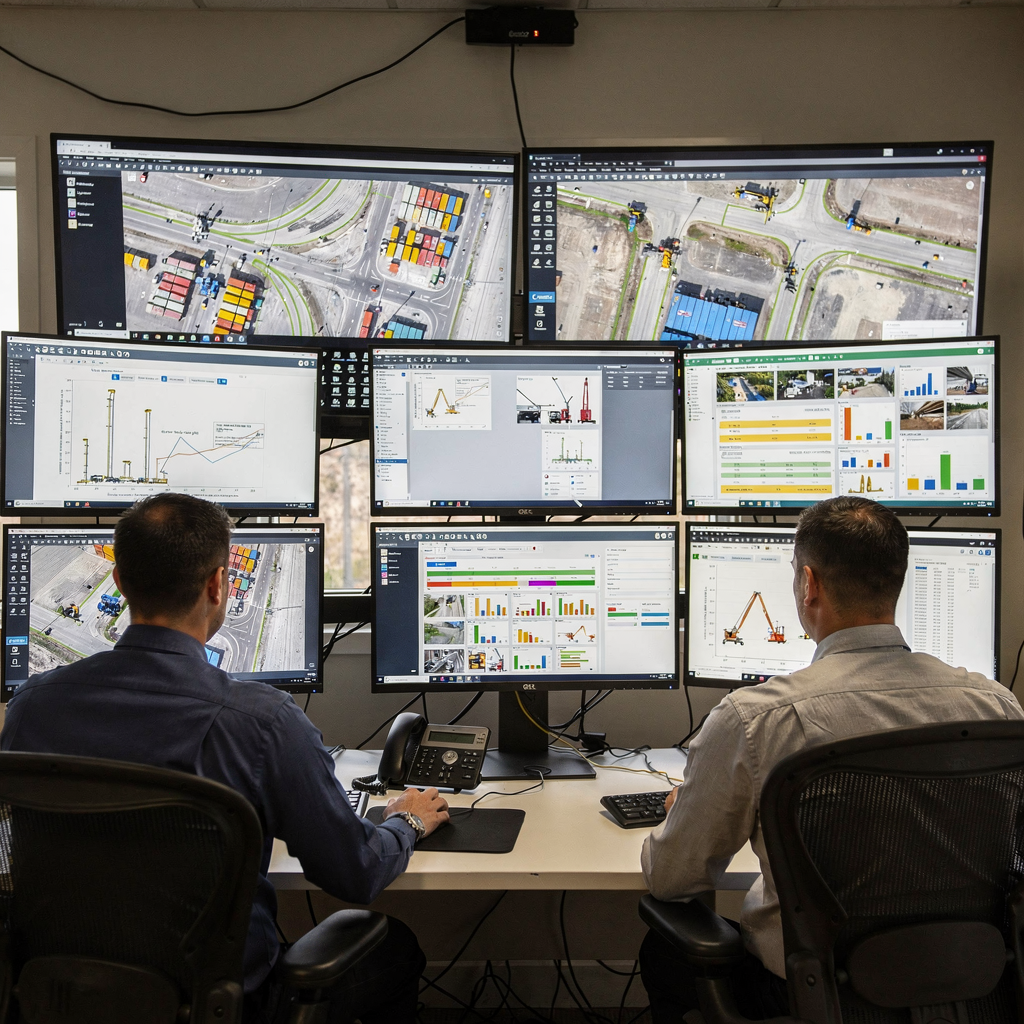
Central dashboards add control, and they enable operators to make data-driven decisions quickly. Dashboards can integrate with the terminal operating system to flag upcoming congestion, to suggest the best sequence for moves, and to trigger alerts when fleet state deviates. For terminals that want to solve operational congestion, predictive tools already show value in live tests (predictive analytics for congestion). They enable planners to prioritise moves that protect quay work and to avoid yard bottlenecks before they grow.
Real-time visibility and control also enable early fault detection and preventive maintenance. When a crane shows rising energy draw then systems alert maintenance before a breakdown occurs. That reduces downtime, and it protects throughput. The same telemetry supports container positioning decisions and it improves the efficiency of container pick paths. When teams have live insights they make informed decisions that balance equipment wear against productivity gains. That balance is crucial for terminals that aim to optimize yard performance without adding risk.
Drowning in a full terminal with replans, exceptions and last-minute changes?
Discover what AI-driven planning can do for your terminal
automated container handling via terminal operating system
Automation changes how teams work. Automated guided vehicles and remote‑controlled cranes cut idle time and human error while they maintain moves per hour. The terminal operating system schedules moves, and it aligns quay work with yard tasks. A strong TOS can sequence picks to minimise empty runs, and it can preserve the best sequence for vessel work. If a terminal integrates AGVs with the TOS, then opportunity charging and fleet motions can sync and yield further savings. For more on TOS integration and features, see the terminal operating system overview (terminal operating system).
Automation also lets operators handle containers with more repeatability. Remote operation centres keep throughput high while they display energy metrics in real time. That visibility helps terminal staff decide when to pause a machine for charging or maintenance. With automation it becomes simpler to track container handling operations and to report on operational costs. Systems can tag moves that cause rehandles, and planners can then adjust stowage patterns to avoid future reshuffles.
Automation does not remove the need for skilled staff. Terminals still need human oversight to manage exceptions and to handle complex trades. Yet automation reduces firefighting and it stabilises performance across shifts. It supports the shift from reactive modes to planned operations, and it helps terminal operators improve their efficiency and resilience. When properly deployed, these tools reduce travel distances, lower operational costs and increase moves per hour without sacrificing safety or reliability.
multi-objective and heuristic yard crane scheduling Models
Scheduling in a busy yard is an optimization problem with many constraints. Algorithms must trade fuel use against speed and congestion and they must respect operational rules. Multi-objective models let planners encode competing priorities and then search for a balanced plan. Heuristic approaches cope with complex layouts and fluctuating workloads, and they deliver near‑optimal solutions fast. In practice, combining heuristics with deeper search methods such as dynamic programming can yield an optimal solution for many blocks of the yard.
These models use an objective function that includes crane productivity, driving distance and energy draw. A well‑designed objective function helps compute schedules that reduce rehandles and that avoid creating new bottlenecks. Case studies show that advanced scheduling yields 10–20% extra fuel savings over naive schedules, and that outcome emerges because the model minimises empty runs and balances workloads across equipment. The relocation problem and decisions about space in the yard become manageable with such models, and planners can see computational results before they accept a plan.
Heuristic rules also help terminals protect quay service during peaks. For example, prioritising moves that unblock a berth keeps vessel arrivals flowing and reduces yard congestion. The models help terminals decide where containers are stacked and when to reshuffle. They also guide the optimal use of storage space and the best sequence for pick and drop tasks. By aiming to optimize both energy and throughput, these methods support improving operational efficiency and enhancing the overall efficiency of the terminal. Loadmaster.ai uses simulation and reinforcement learning to train agents that balance these objectives and that reduce the time and resources required to reach production‑grade policies (RL training for terminals). The result is practical gains in throughput and in energy‑efficient scheduling.
FAQ
What steps should I take first to reduce energy use in my terminal?
Start by measuring current use and by mapping fuel flows in the storage yard. With a clear baseline you can prioritise low‑cost fixes, and you can phase larger investments in electrification or fuel supply.
Can electrification really cut operating costs?
Yes. Electric yard tractors and cranes reduce diesel purchases and lower maintenance. Many operators report large drops in fuel bills soon after deployment.
Are biofuels a viable interim solution for terminals?
Biofuels can act as drop‑in replacements and they often need only minimal retrofits. Their viability depends on reliable supply and on agreements with fuel producers.
How does real-time visibility reduce idle time?
Real‑time telemetry flags idle machines and tracks delays. Planners can then reassign jobs, and so they cut idle time and avoid cascading delays.
Do automated systems remove the need for human planners?
No. Automation reduces routine workload and human error, but experts still handle exceptions and strategy. The best systems augment human decisions rather than replace them.
What role does scheduling play in cutting emissions?
Smart schedules reduce empty runs and unnecessary reshuffles. That lowers fuel use and shortens job cycles, and it improves terminal throughput.
How do I test new strategies without disrupting operations?
Use a digital twin or simulation to run scenarios and explore trade‑offs. This approach shows computational results and helps you pick an optimal solution before live trials.
Can small terminals benefit from these tools?
Yes. Tools scale and they often pay back faster at smaller sites because gains in efficiency are easier to capture. Focus on the use of available space and on avoiding rehandles.
What metrics should I track to measure progress?
Track energy per move, idle time, moves per hour and the number of containers reshuffled. These KPIs link directly to costs and to sustainability goals.
How do I ensure charging infrastructure matches operations?
Plan charging around vessel arrivals and shift patterns, and use predictive analytics to forecast peaks. Coordination with the power grid and with terminal operators ensures reliable performance.
our products
 stowAI
 stackAI
 jobAI
jobAI
Innovates vessel planning. Faster rotation time of ships, increased flexibility towards shipping lines and customers.
Build the stack in the most efficient way. Increase moves per hour by reducing shifters and increase crane efficiency.
Get the most out of your equipment. Increase moves per hour by minimising waste and delays.
stowAI
Innovates vessel planning. Faster rotation time of ships, increased flexibility towards shipping lines and customers.
stackAI
Build the stack in the most efficient way. Increase moves per hour by reducing shifters and increase crane efficiency.
jobAI
Get the most out of your equipment. Increase moves per hour by minimising waste and delays.