
Digital Twin is a Virtual Representation of the Physical Terminal
A digital twin is a virtual representation of the physical terminal that mirrors equipment, flows, and decisions. First, the digital twin is a real-time model that reflects layout, machines, and human tasks. Next, it connects to IoT and to sensor feeds so the virtual twin updates continuously. The digital twin is a dynamic phrase I use to stress that models change with conditions. In practice, terminal operations depend on data from cranes, trucks, gates, and yard RTGs. For example, historical and real-time data streams train and refine the model so planners can make data-driven adjustments fast. In addition, the terminal operating system feeds location, status, and work orders into the virtual model to close the loop.
Operators use digital models to simulate events, to predict congestion, and to compare strategies. The twin is a dynamic virtual artifact that supports what-if studies and decision-making. As a result, a terminal operator can visualise bottleneck locations, balance quay versus yard priorities, and improve decision-making under pressure. This digital twin provides a single pane of truth that other systems can query. Also, the digital representation helps with capacity planning, operator training, and rule tuning.
Loadmaster.ai uses a sandbox digital twin to train Reinforcement Learning agents, and then deploys policies that transfer to the real yard. Our process reduces firefighting, while it raises terminal efficiency and consistency. In addition, these tools integrate with a terminal management stack, a port management information system, or a stand-alone interface to support operators. You can read practical research on resilience and sustainability benefits from a digital twin in port settings here. Finally, the design links to TOS environments and to training regimes so staff adopt new workflows without disruption.
Real-Time Port Operations through Digital Twin Technology
The digital twin brings real-time visibility to yard status, vessel berths, and gate flows. For instance, a terminal digital twin can show which bay holds priority boxes, which crane is free, and average waiting times at the gate. Because the model syncs continuously with real-world operations, planners can reassign moves, and they can redeploy cranes with confidence. This real-time data feed reduces uncertainty, and it supports dynamic scheduling that reacts to vessel delays, tide changes, or late truck arrivals.
Dynamic scheduling and resource allocation driven by up-to-the-minute data improve container terminal performance. Terminals that adopt such approaches report productivity gains of 20–30% and faster vessel turnaround; see the resilience and sustainability study here. In addition, route planning and layout simulation cut transit times by about 10–15% according to practical examples from forwarders and carriers here. Low-latency networks and cloud platforms matter. They allow digital twin technology to push alerts, and they permit automated re-sequencing in seconds rather than minutes.
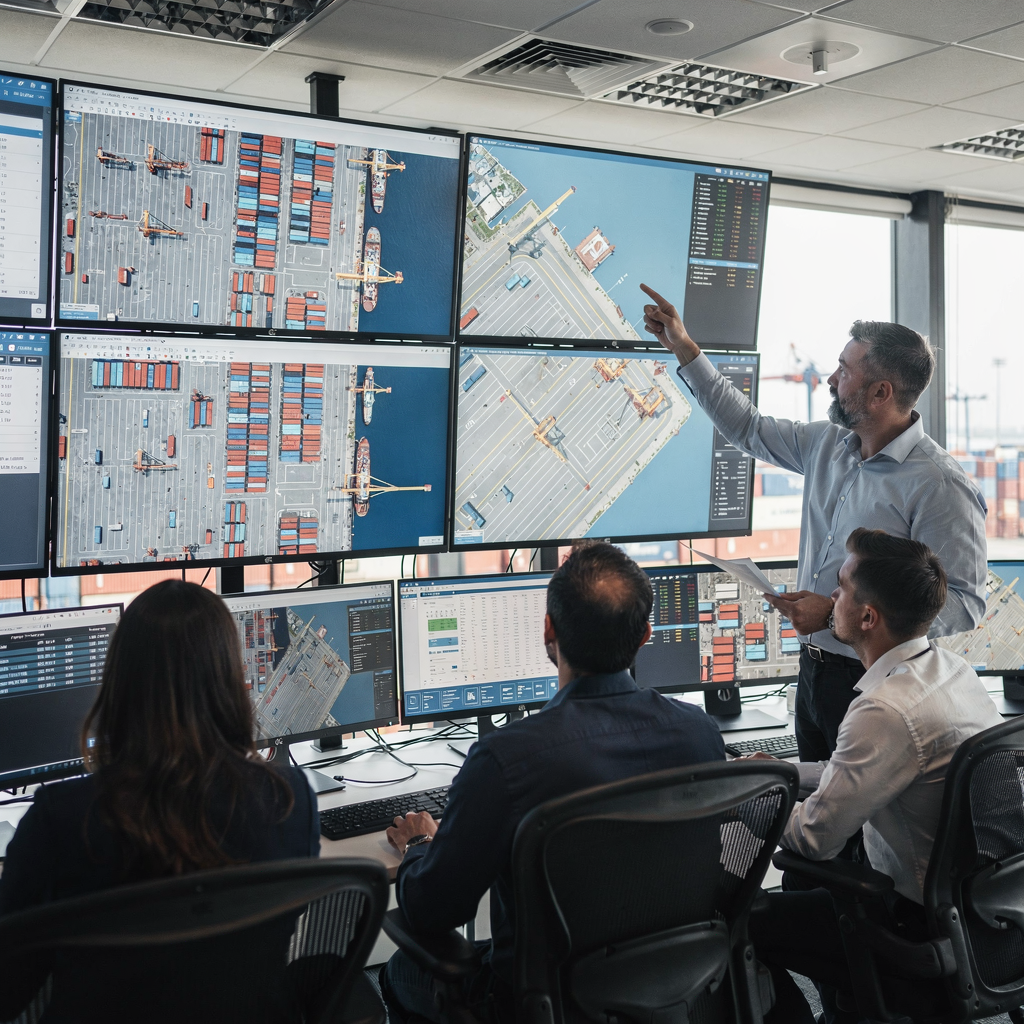
Because the system links to gate scanners, AIS feeds for vessels, and to the terminal operating system, planners get an integrated picture. For more on connecting simulation to a TOS and to capacity planning, see this guide on how to simulate container terminal operations how to simulate container terminal operations. Consequently, the operator can prioritise moves that reduce dwell, and they can protect berth productivity on congested days.
Drowning in a full terminal with replans, exceptions and last-minute changes?
Discover what AI-driven planning can do for your terminal
Predictive Maintenance to Streamline Terminal Automation
Predictive analytics now monitor equipment health across quay cranes, yard cranes, trucks, and AGVs. These analytics feed the digital twin so teams can detect anomalies before failures occur. For example, vibration and power draw patterns identify starter faults, and maintenance crews get early warnings. This approach supports predictive maintenance and it reduces unplanned downtime by up to 25–40% according to industry reporting source. Thus, terminals extend asset lifespans and cut emergency repair costs.
Automated inspection routines run inside the terminal digital twin and then schedule field checks. Where available, autonomous vehicles and AGVs report telemetry into the model and they accept optimized assignments that avoid stressed equipment. The net effect is fewer breakdowns in peak windows, and more uniform utilization of cranes. In practice, this streamlines automation and it frees staff from routine inspection to higher-value tasks like exception handling and planning. Also, automation reduces human exposure to risky maintenance tasks.
Companies can integrate big data, condition monitoring, and predictive analytics to form a closed loop. Loadmaster.ai trains RL agents against simulated failure scenarios so policies remain robust under equipment stress. In addition, linking analytics to a port management information system improves response times and supports decision audits. For further reading on how digital twins will transform project outcomes, see this overview here. Finally, the predictive layer helps terminal operators schedule spare parts, to avoid long lead-time interruptions and to cut costs.
Optimise Container Movements and Processing Times in Smart Port
Yard-layout simulation and vehicle-routing optimisation are core uses of digital twin models. By testing different layouts and routing rules in a virtual model, teams can evaluate trade-offs before they change the physical yard. For example, AGV lanes can be rerouted to reduce travel distances, and straddle carrier assignments can be balanced to cut rehandles. These actions improve container handling and they often reduce driving distance and fuel use.
Simulation helps to optimise gate flows and to reduce queue times. Studies show that efficient routing and gate operations can lower transit and processing times by roughly 10–15% source. In addition, using digital twins enables dwell-time minimisation and balanced workloads across shifts. Loadmaster.ai demonstrates this by spinning up a virtual model and training agents to balance quay productivity with yard congestion. The result is fewer rehandles, stable terminal efficiency, and higher overall throughput.
Smart port integration matters. When the digital twin links with rail, barge, and tug schedules, handovers occur smoothly and delays shrink. For integration patterns and alternative TOS options, see best terminal operating systems for 2025 and TOS alternatives best terminal operating systems 2025 and TOS alternatives. Consequently, the complete terminal picture supports operational optimization across modes, and it reduces fuel burn and carbon footprint for intermodal moves.
Drowning in a full terminal with replans, exceptions and last-minute changes?
Discover what AI-driven planning can do for your terminal
Benefits of Digital Twin for Ports and Terminals: Cost Savings and Improve Efficiency
Benefits of digital twin span cost savings, improved productivity, and sustainability gains. Digital twins enable planners to quantify savings from reduced idle time, lower fuel use, and fewer maintenance interventions. For instance, productivity improvements of 20–30% and downtime reductions of up to 40% translate to meaningful financial returns when multiplied across annual vessel calls study. Thus, ROI periods for many digital twin projects shrink to months rather than years.
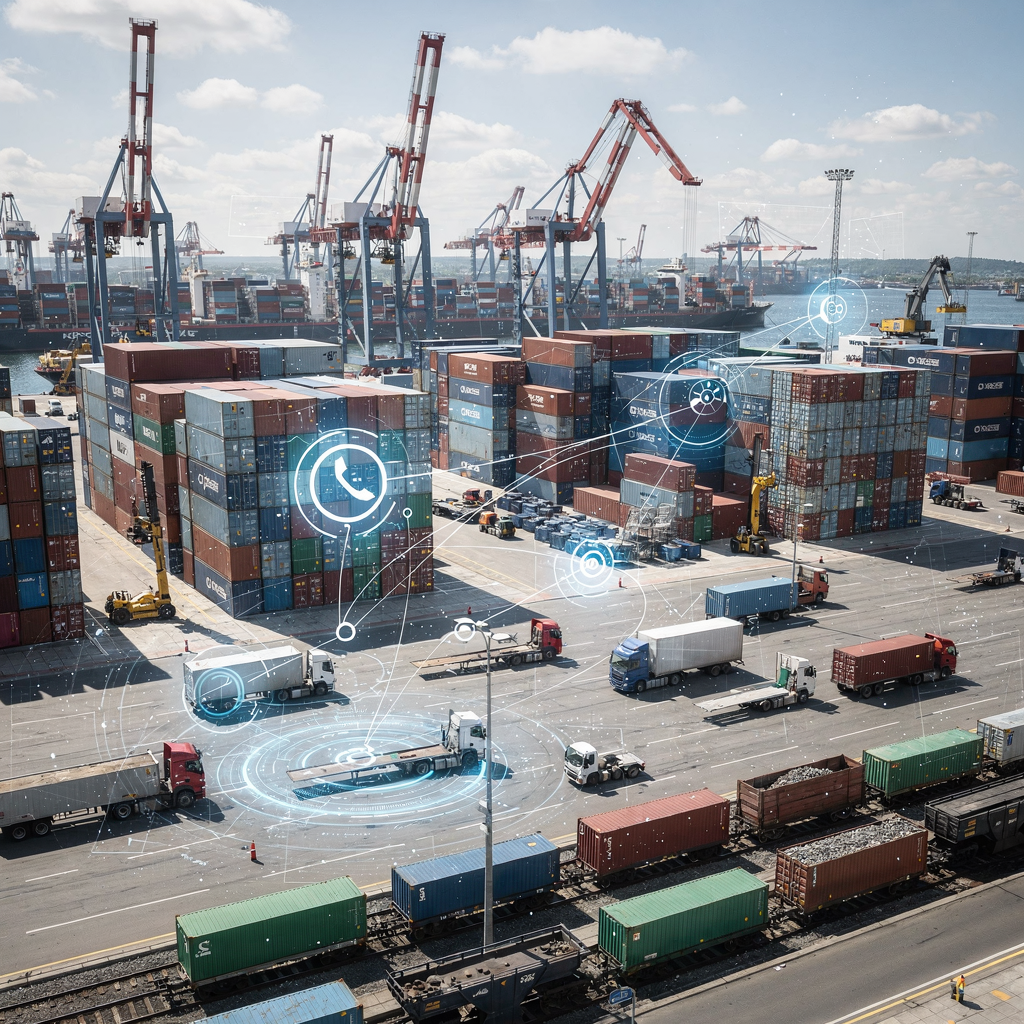
Operational efficiency improves because the model makes decision paths transparent. Digital twin projects deliver operational optimization, and they support process optimization across quay and yard. In addition, sustainability benefits emerge from lower idling, smarter routing, and optimized power use for electric cranes. The combined effect reduces carbon footprint and it supports sustainable operations targets.
Port authorities and terminal operator teams often see improved customer satisfaction, because vessel turn times shorten and waiting times fall. Moreover, the benefits of digital include clearer planning, stronger resilience to peak surges, and better risk management. For practical simulation tools and case studies that connect to TOS systems, review enterprise simulation tools for port logistics enterprise simulation tools. Finally, because technology enhances visibility and control, teams can cut costs while improving service levels across the logistics operations chain.
Simulation Scenarios Using Digital Twins for Maritime Crane Operations
Operators run “what-if” analyses with a digital twin to test crane failures, extreme weather, or labour shortages. These scenario runs quantify the impact on berth occupancy, processing times, and yard congestion. For example, a simulated crane outage shows whether reassigning adjacent cranes or shifting truck windows preserves vessel schedules. The simulation provides actionable plans in minutes rather than hours.
Scenario results guide resource reallocation and strategic planning. Teams can simulate different crane sequences and they can measure throughput, crane utilisation, and waiting times. In addition, simulations reveal unexpected bottleneck interactions that planners miss in spreadsheets. For instance, changing an AGV routing rule might relieve a quay bottleneck while it increases gate queues; the model flags the trade-off so planners can tune policies.
Using digital twins enable training exercises that behave like live operations. Loadmaster.ai uses reinforcement learning inside a virtual model to test millions of scenarios without risk to the real yard. The agents then propose policies that minimise rehandles and that protect quay productivity. Finally, integrated simulations assist with crew training, with procurement decisions, and with contingency plans that keep maritime operations resilient.
FAQ
What is a digital twin and how does it differ from a simulation?
A digital twin is a live virtual model that mirrors a physical terminal and updates as the real system changes. In contrast, a simulation often runs isolated scenarios; a digital twin connects to sensors and to operational systems so it reflects current conditions.
How does a terminal digital twin reduce vessel turnaround?
By providing real-time visibility and sequencing, a digital twin helps planners prioritise moves that finish critical containers first. As a result, quay cranes run with higher productivity and ships leave sooner.
Can digital twin technology integrate with my existing terminal operating system?
Yes. Many digital twin solutions link with TOS via APIs or EDI, and they can complement your current software rather than replace it. For integration examples and TOS alternatives, see our guide on TOS options.
What role does predictive maintenance play in a digital twin?
Predictive maintenance uses analytics to forecast failures and to schedule maintenance before equipment breaks. This reduces unplanned downtime and extends asset life.
How quickly can terminals expect ROI from a digital twin project?
ROI depends on scope and size, but many implementations report payback in months due to reduced idle time, lower fuel use, and fewer emergency repairs. Case studies show measurable gains within the first year.
Are digital twins secure and compliant with regulations?
Yes, security and governance are core design elements for enterprise deployments. Solutions often include access controls, audit trails, and compliance-ready features for data protection and AI governance.
Do digital twins require historical data to be effective?
Some approaches rely on past history, but modern methods such as reinforcement learning can train agents inside a sandbox digital twin without large historical datasets. That helps terminals with limited clean history.
Can a digital twin help with sustainability goals?
Absolutely. By optimising routing, reducing idling, and improving energy use, a digital twin can lower emissions and support sustainable operations. Many ports track carbon footprint improvements after deployment.
How do digital twins support contingency planning?
They enable rapid what-if analyses for crane failures, weather events, and labour constraints. Planners can test options in a virtual environment and roll out validated actions in real time.
What is the difference between a virtual twin and a virtual model?
A virtual model often describes a static or offline representation used for design. A virtual twin is connected to live systems and updates continuously, providing actionable digital twin insights that support operations.
our products
 stowAI
 stackAI
 jobAI
jobAI
Innovates vessel planning. Faster rotation time of ships, increased flexibility towards shipping lines and customers.
Build the stack in the most efficient way. Increase moves per hour by reducing shifters and increase crane efficiency.
Get the most out of your equipment. Increase moves per hour by minimising waste and delays.
stowAI
Innovates vessel planning. Faster rotation time of ships, increased flexibility towards shipping lines and customers.
stackAI
Build the stack in the most efficient way. Increase moves per hour by reducing shifters and increase crane efficiency.
jobAI
Get the most out of your equipment. Increase moves per hour by minimising waste and delays.