
terminal management system: integration and core functionality
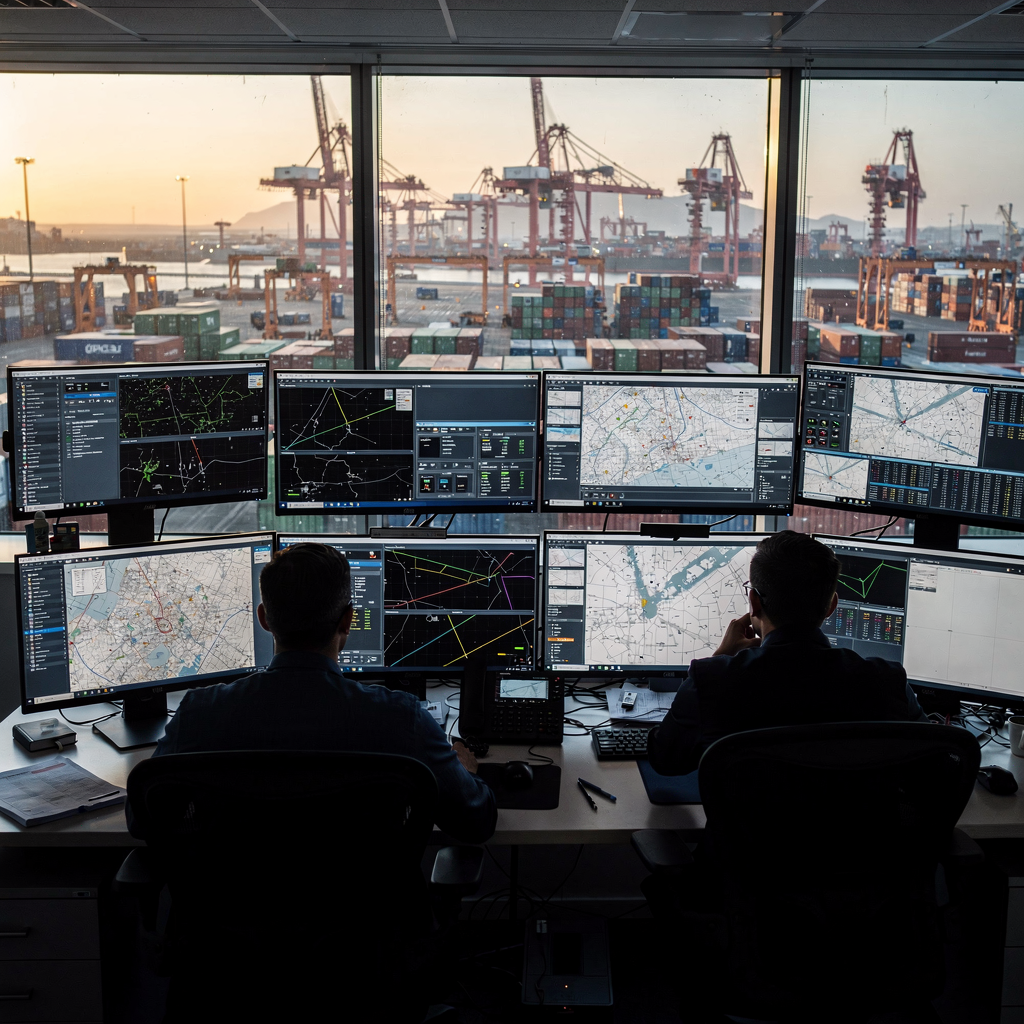
Also, a terminal management system acts as the central hub that ties together Terminal Operating Systems, Warehouse Management Systems, CRM and ERP. It is the single place where planners, dispatchers and managers see the plan and the exceptions. In practice, this MANAGEMENT SYSTEM reduces friction, and it supports strategic tasks and daily execution. For example, Neurored notes that “Synchronization of port management tools, including CRM, TOS, WMS, and ERP software, eradicates data inconsistencies and centralizes operational control” source. This quote explains why a single nervous system matters for ports and terminals.
First, core functionality includes real-time integration of telemetry, user-friendly dashboards and modular modules that allow tailor solutions to diverse needs. Also, the user interface must be intuitive so staff can act fast. A modular design helps teams swap or add modules, and it lets a terminal expand without a full rip-and-replace. The dashboard visualises KPIs and gives business intelligence that speeds decision-making. In short, software ensures visibility and faster responses.
Second, the system supports automatic rule checks and manual overrides. This gives adaptability and a smooth transition from planning to execution. Also, the system helps the terminal operator allocate cranes, berth space and labor with clear feedback loops. Active control reduces manual errors and existing tribal knowledge gaps. As a result, teams stop firefighting and start to optimize daily flows. Loadmaster.ai uses reinforced learning agents to create a digital twin and then train policies that improve allocation and overall productivity while keeping operational guardrails in place. This approach helps create customized strategies that both expedite moves and minimize rehandles.
Finally, a well-built management system will simplify communications with stakeholders, and it will integrate with legacy TOS and new sensors. Also, it supports compliance reporting and future-ready planning. If you want to explore terminal software options and TOS choices, see a curated review of the best terminal operating systems for 2025 best TOS options.
terminal planning and operational efficiency: key strategies
Also, terminal planning controls how berths, yard space and labour are scheduled. It balances inbound vessel calls, truck arrivals and yard reshuffles. Because of that, good planning drives measurable improvements in port throughput and yard utilization. For instance, studies show effective planning tools can reduce container dwell time by up to 20% and that integrated platforms can raise efficiency by roughly 15–25% study industry report. These figures make clear why terminals invest in planning capabilities.
First, planners track KPIs such as container dwell time, quay crane productivity and truck turnaround. Also, berth allocation and crane sequencing feed those KPIs. A focus on quay CRANE productivity often reveals trade-offs with yard congestion. Next, a terminal must minimize rehandles and balance workloads to maintain crane utilization and truck speed. In practice, the terminal planning process must be flexible enough to handle late arrivals and equipment outages. Therefore, scheduling must include buffer rules and clear escalation paths.
Also, technology choices matter. A modern terminal operating system or a container terminal planning module can automate assignment, and it can also enable drag and drop adjustments by planners. When planners need to test scenarios, simulation and optimization tools are useful. For hands-on simulation of terminal capacity and bottleneck reduction, explore terminal capacity planning software and simulation tools capacity planning. That resource helps teams prepare for peak weeks and keep OUTBOUND flows moving.
Finally, to optimize terminal performance, teams should set clear targets and review them daily. Also, regular reviews with operations, yard staff and gate controllers help align priorities. With the right mix of people and tech, a terminal can streamline operations, protect berth schedules and boost throughput while keeping costs in check. If change is needed, plan pilot projects to validate gains before a full roll-out.
Drowning in a full terminal with replans, exceptions and last-minute changes?
Discover what AI-driven planning can do for your terminal
optimization and optimize: driving better throughput
Also, optimization covers both continuous improvement and targeted interventions that address acute pain points. Continuous optimization iterates on rules, schedules and priorities to raise baseline metrics. Targeted optimize actions attack specific bottlenecks, such as a high-rehandle block or a slow gate. Both paths work together. For example, a terminal can run an overnight optimisation pass and then adjust in the real-world during the day.
First, algorithms and machine learning provide predictive capacity that planners can trust. A properly tuned algorithm will forecast arrivals, predict yard congestion and suggest allocation changes. Also, Reinforcement Learning approaches let agents learn policies by simulation. Loadmaster.ai trains RL agents in a digital twin so they can recommend stowage choices, stack placements and job sequencing without relying on past imperfect data. This method helps terminals optimize terminal flows even when history is limited or misleading.
Second, the market clearly values these advances. The global market for terminal operating systems is projected to grow at about 7% CAGR over the next five years, driven by demand for automation and data-driven decision-making market forecast. Also, robust optimization can reduce bottlenecks and lower container dwell time by up to 20% when paired with improved execution. That reduction translates to faster vessel turnaround and higher port throughput.
Also, practical steps to drive throughput include model-based stowage that protects crane productivity, adaptive allocation that reduces driving distance and optimization of shift handovers to keep performance stable across shifts. Use simulation and optimization tools to validate changes before they go live. For guidance on simulation-based optimization for TOS, see simulation and optimisation tools tailored for terminal operations simulation tools for TOS. Overall, optimization is not a single action. It is a program of continuous testing, measurement and adjustment that delivers measurable throughput and productivity improvements.
tos and intermodal coordination for streamlined operations
Also, a TOS or Terminal Operating System provides the operational backbone for vessel planning, berth allocation and yard management. It schedules incoming VESSEL calls, sequences stowage, and supports gate operating procedures. The TOS also records moves and provides audit trails for terminal billing and compliance. When the TOS links with other systems, the handover between modes becomes more reliable. In short, the right TOS reduces errors and speeds execution.
First, TOS capabilities include vessel planning, berth scheduling and realignment of cranes to match changing loads. Also, yard management tools in a TOS track container locations and support stowage planning to reduce reshuffles. A TOS often supports automated reports on crane utilization and track metrics tied to port throughput and berth occupancy. If you need to compare options or alternatives for your yard, consult a review of container terminal TOS alternatives and options TOS alternatives.
Second, intermodal and multimodal workflows require tight coordination. When containers move from ship to rail or truck, the control systems must match schedules, release orders and handoffs. IoT sensors and gate readers can spot discrepancies early, and they enable a smooth transition across modes. In particular, rail bookings, yard reservations and truck windows must align so the terminal can minimize wait times and expedited rehandles. The terminal must treat intermodal handovers as a first-class operational task to streamline operations and to protect vessel schedules.
Also, real-world integration of TOS and gateway partners helps reduce dwell time and improve overall productivity. For multi-stakeholder environments, maintain clear service levels and shared KPIs. Finally, when a terminal wants to uplift its TOS capabilities, it should pilot modular add-ons like automation modules or analytics suites to improve visibility without disrupting core operations.
Drowning in a full terminal with replans, exceptions and last-minute changes?
Discover what AI-driven planning can do for your terminal
logistics and real-time data: enhancing decision making
Also, real-time data from IoT telemetry, RFID and equipment telemetry makes decision-making faster and more accurate. Live feeds show equipment health, yard traffic and container positions. Real-time data reduces guesswork. In turn, planners can react before a delay cascades. For example, sensors on cranes and straddles feed status updates that help predict breakdowns and to expedite repairs.
First, dashboards visualise queue lengths, dwell times and resource usage so teams can act quickly. A clear dashboard lets a terminal manager see where to reallocate cranes or drivers. Also, business intelligence from integrated data sources highlights patterns that were invisible in siloed systems. A good dashboard supports both tactical and strategic tasks. If you want to learn how to simulate operations and validate real-time policies, see guidance on how to simulate container terminal operations simulation guidance.
Second, practical case studies show gains. For example, WMS integration improved warehouse-to-ship transfer by 18% in a recent operational pilot. Also, combining gate telemetry with yard data reduced truck turnaround and improved container loads planning. These gains come from better visibility and from business intelligence that turns raw feeds into recommended actions. As a result, teams can expedite moves, minimize idle time and better manage outbound flows.
Finally, to benefit from real-time data, terminals must invest in reliable telemetry and in analytics that translate signals into actions. Also, staff need training on new dashboards and on interpreting alerts. When implemented well, these systems make operations more predictable and keep maritime schedules on track.
terminal efficiency through automation and insights
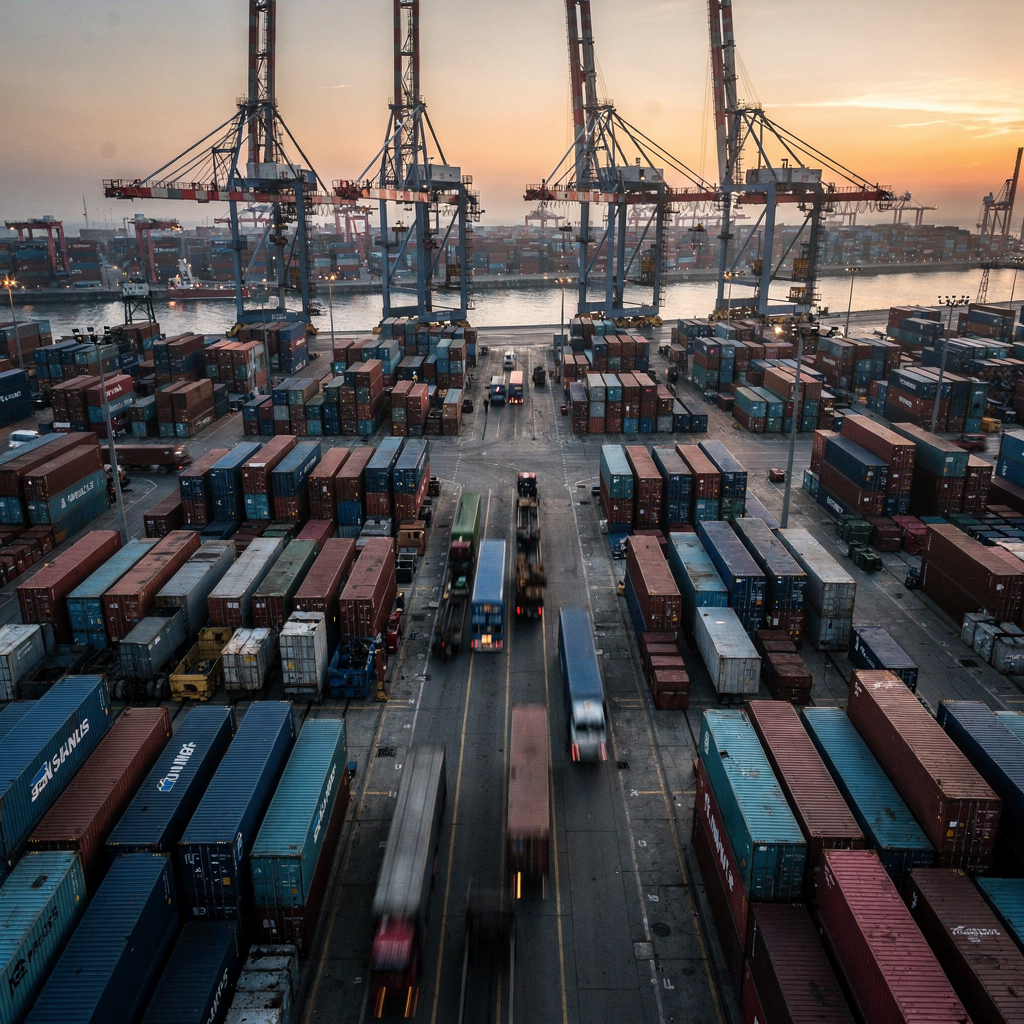
Also, automation and advanced analytics give terminals the tools to reduce downtime and to improve throughput. Autonomous planning modules can adjust schedules in response to delays and equipment faults. Then, AI-driven predictive maintenance cuts equipment downtime by around 10% in many implementations. These gains arise from condition monitoring and scheduled interventions before failures occur.
First, automation is not just robotics. It is closed-loop optimization where software can help the planner by suggesting actions, and then the system measures outcomes. Loadmaster.ai shows how RL agents—StowAI, StackAI and JobAI—work together to coordinate quay, yard and gate moves. The approach trains agents in a digital twin so they can create policies that reduce rehandles, shorten driving distances and balance workloads. This design keeps performance stable across shifts and supports a smooth transition from reactive firefighting to proactive control.
Second, analytics and digital twins are state-of-the-art technologies that let terminals test scenarios and quantify gains before deployment. Also, a predictive algorithm can forecast yard saturation and suggest allocation changes that minimize driving time. With these tools, a terminal can tailor operations to diverse needs and create customized strategies that protect quay productivity while maintaining yard balance. For those exploring enterprise simulation and planning tools, see enterprise simulation tools for port logistics simulation tools.
Finally, future-ready terminals will adopt digital twins, tighter automation and explainable AI to keep operations resilient. Also, investing in training and in clear governance helps stakeholders accept automated decisions. In sum, automation plus insights will enhance efficiency, increase crane utilization and improve overall productivity while keeping a human in the loop for exceptions and final approvals.
FAQ
What is a terminal management system and why is it important?
A terminal management system centralises control over TOS, WMS, CRM and ERP functions, so teams can coordinate moves and resource allocation. It is important because it reduces data inconsistencies, cuts manual errors and speeds up decision-making across the terminal.
How much can planning tools reduce container dwell time?
Effective planning tools have been shown to reduce container dwell time by up to 20% in studies and industry reports source. These reductions translate into faster vessel turnarounds and improved port throughput.
What role does a TOS play in vessel and berth scheduling?
A TOS manages vessel stowage plans, berth allocation and crane assignments to keep quay work aligned with arrival times. It ensures that cranes and yard space are assigned efficiently so that vessel operations proceed with minimal delays.
How do intermodal handovers affect terminal performance?
Intermodal handovers require synchronised timing between ship, rail and truck operations to avoid bottlenecks. When handovers are coordinated, the terminal reduces truck queues and speeds outbound flows, which improves overall efficiency.
Can machine learning improve yard allocation and stowage?
Yes. Machine learning and reinforcement learning can predict congestion and recommend placements that minimize reshuffles and travel distance. These approaches help the terminal maintain stable productivity even under changing vessel mixes.
What is the value of real-time data for day-to-day decision-making?
Real-time data from sensors, RFID and equipment telemetry gives live visibility into yard status, equipment health and queue lengths. This visibility enables faster, better-informed decisions and allows terminals to react before delays escalate.
How does automation affect equipment downtime?
Automation combined with predictive maintenance can lower unexpected failures and cut equipment downtime by about 10% in many deployments. Early detection of wear and timely interventions mitigate longer outages and lost productivity.
What makes a solution future-ready for terminals?
A future-ready solution uses digital twins, explainable AI, modular components and clear governance so systems can adapt to new rules and traffic patterns. It should be user-friendly and support a smooth transition to more automated control.
How do simulation tools help reduce bottlenecks?
Simulation tools let planners test scenarios, quantify the impact of changes and validate optimization strategies before live rollout. Using simulations reduces risk and expedites the adoption of operational changes across the terminal.
Where can I learn more about TOS options and optimization tools?
For practical reviews of TOS platforms and simulation tools, see curated resources on best terminal operating systems and simulation and optimisation tools for TOS best TOS options simulation tools. These pages help compare features and plan pilots that validate expected gains.
our products
 stowAI
 stackAI
 jobAI
jobAI
Innovates vessel planning. Faster rotation time of ships, increased flexibility towards shipping lines and customers.
Build the stack in the most efficient way. Increase moves per hour by reducing shifters and increase crane efficiency.
Get the most out of your equipment. Increase moves per hour by minimising waste and delays.
stowAI
Innovates vessel planning. Faster rotation time of ships, increased flexibility towards shipping lines and customers.
stackAI
Build the stack in the most efficient way. Increase moves per hour by reducing shifters and increase crane efficiency.
jobAI
Get the most out of your equipment. Increase moves per hour by minimising waste and delays.