
simulation model for port terminal bottleneck analysis
First, a clear discrete-event approach frames how a simulation model represents terminal activities. Next, the DISCRETE EVENT logic maps vessel arrivals, berth service, crane cycles, and gate processing into events that advance time. Also, this method separates short actions, such as move assignments, from longer tasks, like quay crane service. Therefore, planners can see where queues form and which resources become saturated.
Then, map key processes in a port terminal to model components. For example, berthing becomes a resource with occupancy rules. Next, loading and unloading map to quay crane tasks and STOWAGE sequences. Also, yard handling becomes a network of stacks, RTG moves, and straddle carrier paths. Consequently, a robust model captures interactions between berth occupancy, yard stacking, and gate throughput. In addition, variables in a simulation model should include arrival rates, crane productivity, truck dwell time, and yard stacking rules. Moreover, these inputs let analysts measure queue lengths, wait time, and berth occupancy directly.
Also, queue lengths and wait-time metrics reveal bottleneck locations. For instance, plotting berth QUEUE versus time highlights peak congestion windows. Next, comparing truck wait-time at the gate against average quay crane idle time shows mismatches in flow. Additionally, study results confirm that targeted scheduling reduces vessel waiting times by about 25% in a terminal study PORT CONGESTION PROBLEM, CAUSES AND SOLUTIONS. Therefore, a modeled metric like average truck delay becomes an operational KPI to minimize.
Furthermore, model calibration with real operational data improves accuracy. First, collect timestamps from your TOS and equipment telemetry. Also, reconcile crane cycle times, move counts, and gate scan records. Then, adjust service-time distributions and arrival processes so simulated output matches historical patterns. For example, VISSIM experiments used measured vehicle flows to validate terminal traffic scenarios Traffic Bottlenecks: Identification and Solutions. In addition, Loadmaster.ai spins up a digital twin to train agents and validate policies against snapshot data, which shortens calibration cycles and supports safer roll-outs.
Finally, this chapter stresses that a calibrated simulation model functions as a risk-free environment. Also, it lets port authorities and terminal operator teams run stress test scenarios and evaluate assignment rules without disrupting operations. Thus, the model becomes a verifiable decision support asset that helps minimize idle time and demurrage while improving operational efficiency across quay and yard.
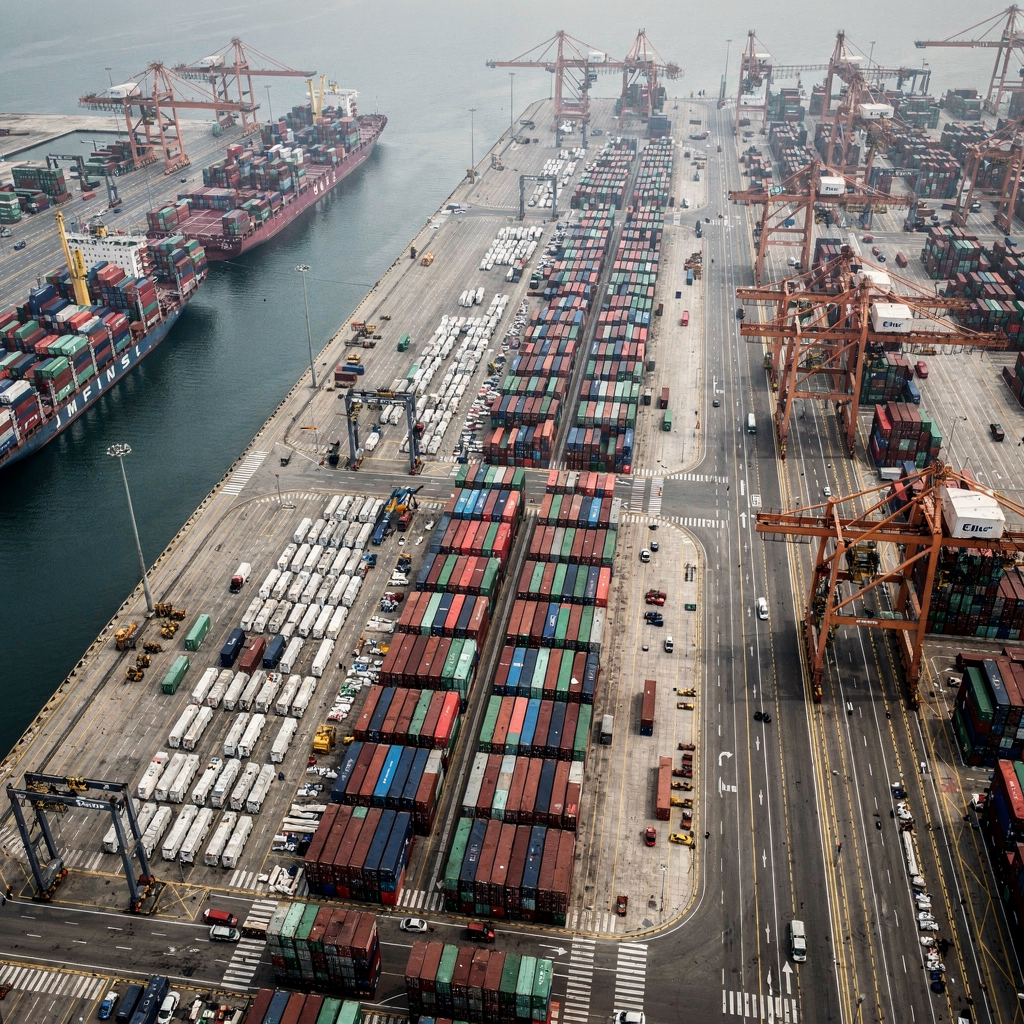
case studies of real-world ports and terminals optimising throughput
First, consider a port study that cut vessel turnaround by 25% through targeted scheduling and resource allocation. Also, this result appears in port congestion research where simulation modeling helped identify bottleneck nodes and tested new queuing rules PORT CONGESTION PROBLEM, CAUSES AND SOLUTIONS. Next, researchers adjusted berth assignment and crane sequencing in the simulated environment and measured a clear drop in waiting times. Consequently, vessel berth occupancy balanced better and berth occupancy variance fell.
Then, review a container yard re-layout that boosted throughput by about 15%. Also, a simulation-driven study in logistics showed throughput gains when yard stacking and transport routes were optimized Simulation-Driven Mining Logistics Towards Sustainable and Efficient Production. Next, the yard redesign reduced travel distances for straddle carriers and RTG repositioning, which lowered fuel use and move times. In addition, planners used the sim to create phased re-layouts so the yard could remain operational during construction. Therefore, staged implementation minimized disruption and preserved throughput while the new layout came online.
Also, traffic experiments using VISSIM™ reduced terminal congestion duration by up to 20% when operators applied targeted traffic controls Traffic Bottlenecks: Identification and Solutions. Next, the VISSIM™ tests modeled internal truck flows and gate queue management, and then they compared alternatives such as dedicated inbound lanes and timed truck appointments. As a result, the terminal reduced internal blocking and improved truck turnaround. Additionally, these experiments provided visual feedback that helped stakeholders accept changes.
Furthermore, lessons from these case studies emphasize scenario testing and staged rollout. First, run a stress test of peak season volumes to expose weak points. Also, compare low-cost operational fixes before proposing infrastructure expansion. Next, show stakeholders simulation outputs and animations to build consensus. In addition, integrate findings with your TOS for implementation; see guidance on matching simulation outcomes to terminal operating systems like Navis or alternatives in our discussion on terminal capacity planning software. Finally, use validated scenarios to set KPIs and to track improvements after go-live.
Drowning in a full terminal with replans, exceptions and last-minute changes?
Discover what AI-driven planning can do for your terminal
simulation software and port simulator: choosing the right port simulation software
First, selecting the right tool requires clarity on scope. Also, compare capabilities like microscopic traffic modeling, yard operations, and quay crane cycles. Next, VISSIM™, AnyLogic, and FlexSim often appear in comparisons. For example, VISSIM excels at vehicle and traffic detail, while AnyLogic supports agent-based and system dynamics hybrids, and FlexSim offers visual 3D animation. In addition, AnyLogic integrates well with optimization routines and custom code. Also, user-friendly interfaces matter for planners and stakeholders who need quick scenario setup.
Then, evaluate data integration capabilities with your TOS and telemetry. First, a port simulator must import schedule files, container lists, and equipment telemetry. Also, consider APIs and EDI connectors. Next, check compatibility with leading systems; for TOS integration best practice, review resources on simulation and optimisation tools for TOS. Furthermore, choose software that supports 3D animation for stakeholder buy-in and for clearer visual feedback during meetings.
Additionally, outline selection criteria based on budget and objectives. First, small projects may use desktop tools; larger programs require multi-user deployments and robust reporting. Also, consider discrete event simulation software that can scale to full-hub digital twins. Next, check for optimization algorithms, what-if capabilities, and support for run multiple scenarios automatically. Therefore, ensure the tool provides reporting templates that align to KPIs like crane utilization and berth occupancy.
Also, inspect support and training options. First, vendors offering port simulation software with consulting often speed up pilot deployments. In addition, look for examples in container terminal operations and for a community that shares models. Next, the choice between AnyLogic, VISSIM™, and FlexSim depends on whether you prioritize microscopic traffic detail, agent-based logic, or visual realism. Finally, consider Loadmaster.ai’s approach that trains RL agents in a simulation environment and ties results back to the real TOS through APIs; learn more about integrating simulation outcomes with your operations via our guide on how to simulate container terminal operations.
decision support for resource allocation to optimise throughput
First, simulation outputs feed actionable decision support dashboards. Also, they show trade-offs between quay productivity and yard congestion. Next, allocate cranes, trucks, and labor based on scenario comparisons. Also, present planners with clear charts that compare KPIs across alternatives. Therefore, planners can pick schedules that minimize idle time and demurrage.
Then, use simulation-derived allocation rules to balance workload. First, assign quay crane tasks with assignment rules that respect vessel stowage and labor constraints. Also, optimize yard operations by limiting long reposition moves and by balancing RTG and straddle carrier workloads. Next, our StowAI and StackAI approaches illustrate how trained policies can outperform static rules. Additionally, these AI agents run within a digital twin to test allocations before live deployment. In addition, simulation-based dashboards present side-by-side scenarios so decision makers can quickly select robust plans.
Also, ‘what-if’ analysis guides shift planning and equipment deployment. First, simulate a sudden gate surge to see which allocation keeps throughput highest. Next, run a breakdown scenario for a quay crane to measure resilience. Also, examine the effect of extra trucks or added labor during peaks. Therefore, the simulation shows which resource additions yield the best ROI.
Furthermore, link resource schedules to reduced idle time and improved utilization. First, track crane utilization and yard equipment utilization across simulations. Also, measure moves per hour and average truck service time. Next, combine those metrics into a single optimization objective to optimize throughput and lower costs. Finally, deliver decision support that operational teams trust by validating simulation results against live operations and by integrating outputs with a TOS; relevant integration patterns are discussed in our pages on TOS integration and on alternative terminal operating systems.
Drowning in a full terminal with replans, exceptions and last-minute changes?
Discover what AI-driven planning can do for your terminal
digital twin and simulator models for crane, gantry, straddle carrier and rtg operations
First, define the digital twin as a near-real-time replica of the port or terminal that syncs with live telemetry. Also, digital twin models let you simulate equipment, workflows, and environmental factors simultaneously. Next, model gantry cycles with crane motion profiles, pick-and-place times, and interference rules. Also, include quay crane swing and berth constraints. In addition, simulate RTG stacking patterns and straddle carrier paths to measure yard congestion and travel distance.
Then, predictive maintenance emerges from real-time syncing. First, feed crane vibration and cycle counters into the twin. Also, the model can flag anomalies and predict failures. Next, this triggers maintenance windows in the simulator, so planners can see the operational impact before committing downtime. Additionally, capacity planning benefits when you virtually expand yard space or add a gantry. Also, run a stress test of peak arrivals to estimate how much additional quay crane time you need.
Furthermore, the digital twin supports policy testing and automation validation. First, check automated stacking crane logic within the twin before field rollout. Also, verify collision avoidance and contention rules for straddle carriers in mixed traffic. Next, simulate multi-shift scenarios and compare utilization improvement. Also, Loadmaster.ai uses RL agents inside a digital twin, where JobAI coordinates moves across quay, yard, and gate. In addition, this process creates robust policies that minimize rehandles and optimize move sequences while protecting operational constraints.
Finally, capacity planning through virtual infrastructure expansion shows clear ROI. First, test adding a berth or extra yard block in the twin. Next, measure changes in berth occupancy and moves per hour. Also, combine economic assumptions to estimate payback for infrastructure investments. Therefore, a digital twin becomes a verifiable tool for port authorities and terminal planners to justify capital and to minimize risk during deployment.
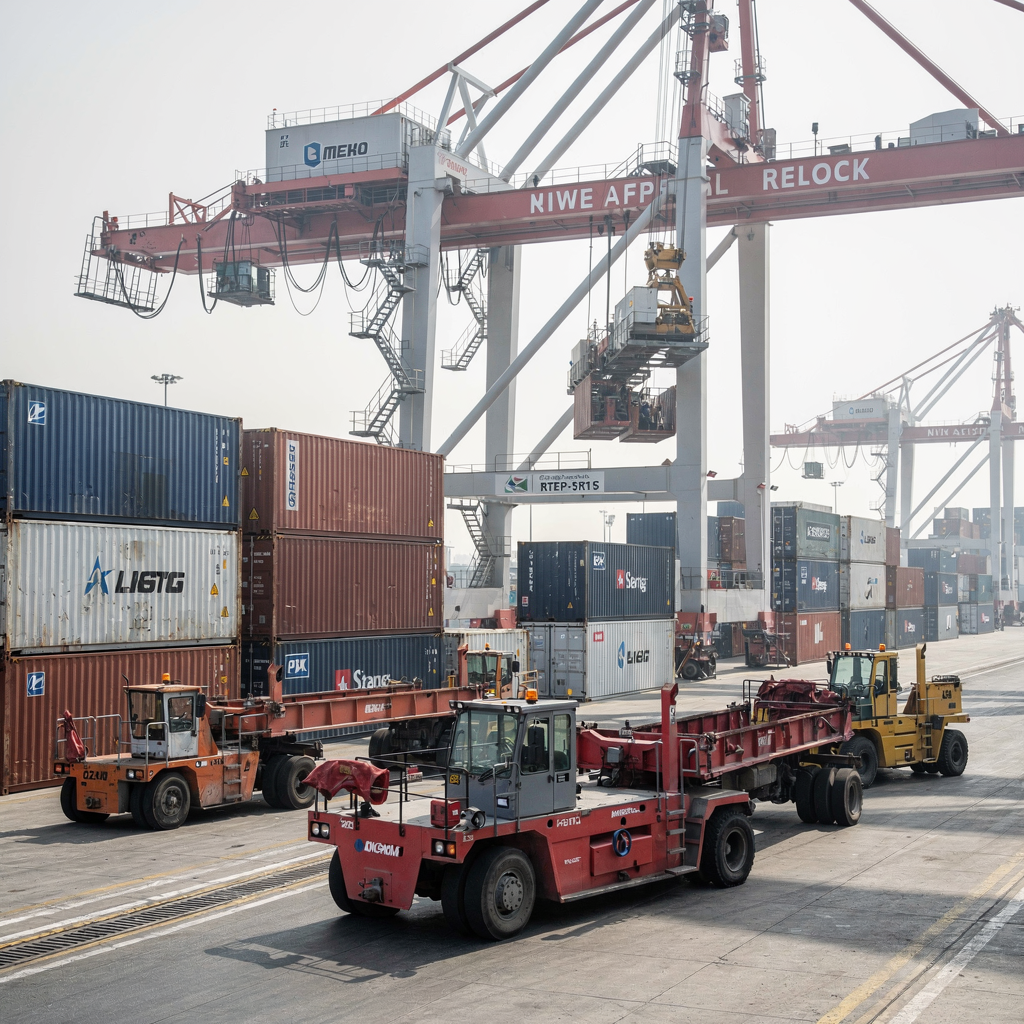
simulation-based training and automation in terminals
First, virtual environments enable structured on-the-job learning for gate clerks, crane operators, and planners. Also, simulation-based training reduces real-world errors by letting staff practice rare events in a risk-free environment. Next, virtual gate drills teach appointment handling and dispute resolution. Also, crane and yard training improves safety and consistency, so operator performance becomes less variable across shifts.
Then, automated systems benefit from validation before deployment. First, test automated stacking cranes and automated gate systems inside a simulator to ensure safety. Also, validate interactions between automation and human teams. Next, confirm that assignment rules and optimization algorithms perform under various conditions. Also, simulation modeling helped terminals verify new automation logic without risking live service. In addition, run scenario drills for disruption response, equipment failures, and peak surges.
Furthermore, training programs that combine immersive simulators and policy testing accelerate skills development. First, use 3D visuals to recreate yard operations and quay tasks. Also, practice emergency stop procedures and conflict resolution in controlled scenarios. Next, analyze trainee metrics and adapt lesson plans to shore up weak areas. Also, automated assessment tools give consistent feedback to trainees and managers.
Finally, the benefits include improved safety, fewer rehandles, and consistent throughput. First, immersive training reduces human error. Also, automation validation lowers deployment risk. Next, keep performance stable across shifts by using simulation to standardize best practices. Additionally, planners who want to scale successful pilots can combine training outputs with decision support and with a TOS interface to ensure smooth adoption and lower costs.
FAQ
What is a discrete-event simulation model for a port terminal?
A discrete-event simulation model represents terminal processes as events that change system state at specific times. Also, it models arrivals, service tasks, and resource allocation so planners can test scenarios without affecting live operations.
How can simulation reduce berth occupancy and waiting times?
Simulation identifies peak windows and tests berth assignment and crane sequencing alternatives. Also, validated changes often reduce vessel waiting times, sometimes by about 25% when combined with scheduling improvements source.
Which port simulation software should I consider?
Consider tools based on scope: VISSIM™ for vehicle-level detail, AnyLogic for agent-based models, and FlexSim for visual 3D layouts. Also, evaluate TOS integration and multi-user needs before selecting software.
Can a digital twin help with crane and RTG operations?
Yes, a digital twin syncs with telemetry to simulate crane cycles and stacking patterns in real time. Also, it supports predictive maintenance and capacity planning so teams can minimize downtime before making changes.
How do RL agents interact with simulation for terminal control?
Reinforcement Learning agents train inside the simulator to explore policies and optimize explainable KPIs. Also, the trained policies then run under operational guardrails, which improves decisions without relying on historical data.
Is simulation useful for validating automation systems?
Yes, simulators create a verifiable, risk-free environment where automated stacking cranes and gate automation can be tested. Also, this validation reduces rollout risk and improves safety.
What data do I need to calibrate a terminal simulation?
Collect TOS logs, crane cycle times, truck gate timestamps, and yard move records to align the model with reality. Also, equipment telemetry and vessel schedules improve calibration accuracy.
How do simulation and TOS integration work together?
Simulation outputs inform assignment rules and resource allocation that a TOS then enforces in live operations. Also, many simulation projects export scenarios into a TOS-compatible format for pilot testing; see guidance on matching simulation to TOS systems in our resource on simulation and optimisation tools for TOS.
Can simulation help decide between operational changes and infrastructure expansion?
Yes, run comparative scenarios to see if process changes yield sufficient gains before investing in infrastructure. Also, simulate added berth or yard space to estimate throughput improvements and payback.
How does simulation improve everyday decision making for planners?
Simulation provides verified scenario comparisons and dashboards so planners can pick robust allocations quickly. Also, decision support reduces firefighting and stabilizes performance across shifts.
our products
 stowAI
 stackAI
 jobAI
jobAI
Innovates vessel planning. Faster rotation time of ships, increased flexibility towards shipping lines and customers.
Build the stack in the most efficient way. Increase moves per hour by reducing shifters and increase crane efficiency.
Get the most out of your equipment. Increase moves per hour by minimising waste and delays.
stowAI
Innovates vessel planning. Faster rotation time of ships, increased flexibility towards shipping lines and customers.
stackAI
Build the stack in the most efficient way. Increase moves per hour by reducing shifters and increase crane efficiency.
jobAI
Get the most out of your equipment. Increase moves per hour by minimising waste and delays.