
terminal operating system market trends for 2026
The global terminal operating system market is shifting fast. Forecasts show steady growth and a rising need for cloud-first solutions. For example, market research projects the TOS market will reach roughly $867.1 million by 2033, driven by automation and data-driven planning. Also, analysts estimate a bigger jump from the recent USD 4.5 billion valuation in 2024 to near USD 8 billion by 2026 (LinkedIn analysis). These numbers underline why terminal operators now prioritise cloud and integration with other systems.
First, cloud-based terminal operating system models reduce on-premise costs and speed deployments. Second, real-time telemetry and APIs allow TOS to connect with ERP, TMS, and customs systems. Therefore, adoption rises where ports invest to minimize dwell and improve throughput. For instance, North America still shows high manual processes: manual operations accounted for 62.15% of the market in 2025, a sign that automation uptake remains an opportunity (Mordor Intelligence). Also, system vendors respond with modular, cloud services for mixed manual and automated terminal workflows.
Transitioning requires change management. PORT teams need clear KPIs, new roles, and reliable data flows. However, those who implement a comprehensive terminal operating system and a strong integration strategy see gains faster. For example, user reviews highlight improvements in decision speed and fewer errors after TOS upgrades (G2 reviews). In addition, designers of modern TOS focus on secure APIs, low-latency real-time data, and adaptable system architecture to support automated terminal operations and manual and automated terminal modes. Finally, operators should evaluate how a robust terminal operating system aligns with their goals for cargo throughput, cost control, and future automation.
intermodal terminal operation: automation and analytics
Intermodal hubs need software that links sea, rail and road modes. A terminal operating system forms that bridge. Also, it must support yard planning, gate processing, and vessel stowage while handling different cargo types. Therefore, a TOS that delivers real-time visibility helps coordinate handoffs and reduces wasted moves. For example, when rail arrivals shift, the system reallocates slots and resources to avoid queuing and long truck waits.
First, automation support for yard cranes and gate processing reduces manual errors and speeds handling. Second, systems with equipment control and telematics ensure safe, high-utilisation flows. Also, analytics power decision-making. Real-time analytics dashboards show congestion, moves-per-hour, and dwell trends. Consequently, planners spot bottlenecks and take corrective action. In practice, automation can enable an automated terminal to run consistent schedules and keep quay cranes busy.
Furthermore, intermodal terminals demand tight integration with appointment systems and customs systems so cargo moves without holdups. Also, the transport order management system must sync with yard management and carrier manifests. Therefore, a TOS that offers strong integration with other systems drives smoother handoffs between truck, rail, and ship. In addition, vendors now market lightweight and modular terminal operating layers to support multi-modal stacks. For more on modular options, see lightweight and modular terminal operating approaches offered by vendors like Navis and others in the market Navis N4 overview. Finally, intermodal terminals that combine automation, real-time data, and predictive scheduling cut delays and optimize terminal throughput.
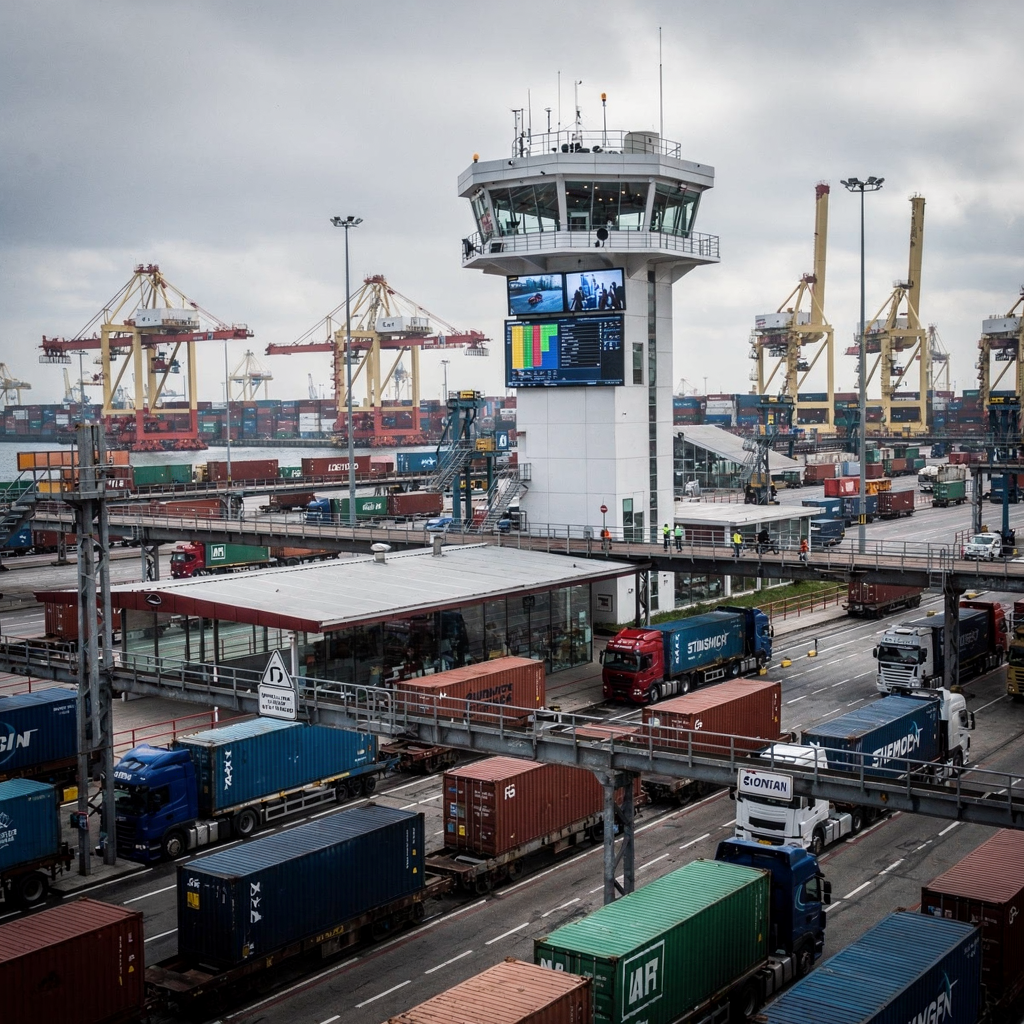
Drowning in a full terminal with replans, exceptions and last-minute changes?
Discover what AI-driven planning can do for your terminal
compare the top terminal operating systems: best terminal operating platforms
Choosing the best terminal operating system starts with clear criteria. First, evaluate scalability and system architecture. Second, look for user interface clarity and APIs. Third, confirm integration with ERP and third-party business ERP systems. Also, review pricing models and deployment options. For example, cloud-based terminal operating system options often charge subscription fees, while on-premise models use licences and maintenance.
Selection criteria should include: scalability for peak season, ease of integration with existing accounting systems, and support for various types of cargo. Also, test the operating management system features and service model. For enterprise buyers, compare the top terminal operating by running pilots and measuring moves-per-hour and dwell time reduction. Moreover, you should compare the best providers on API support, data export, and connectivity to ERPs and SCADA systems.
Side-by-side comparisons must cover yard management, gate modules, and equipment control. Also, evaluate the vendor’s roadmap for AI and predictive features. For those who want a deeper modelling route, consider simulation and planning tools to test options TOS modelling and simulation tools. In addition, examine case studies and user reviews to validate claims. Finally, compare costs, but weigh them against potential time and resources savings. If you need a lightweight demo or a project to measure fit, see our planning simulation resources TOS planning simulation software. Remember to test integration with existing ERPs, customs systems, and appointment systems to ensure seamless operations.
best terminal operating system platforms: opus terminal, contpark and hogia tos
This chapter focuses on three platforms: Opus Terminal, ContPark, and Hogia TOS. Opus Terminal is a cloud-native offering. It uses AI for scheduling and resource allocation. Also, Opus Terminal supports dynamic quay and yard sequencing. The operating system designed by Opus focuses on low-latency APIs and flexible modules. For more, read the Opus Terminal overview Opus Terminal.
Next, ContPark specialises in container tracking and automated yard management. Contpark is a unique saas that provides clear inventory views and reporting tools. Also, it supports appointment systems and integration with customs systems. The vendor advertises simple onboarding and cloud services. See the ContPark introduction for details ContPark.
Finally, Hogia TOS offers a modular terminal operating system with deep analytics and customisable workflows. Hogia TOS supports yard management, gate flows, and vessel planning. Also, it emphasises configurable terminal workflows and robust terminal operating system performance. Learn more about Hogia’s approach Hogia TOS. User reviews often highlight improved crane scheduling and measurable gains in moves-per-hour. In addition, benchmarks show lower dwell times and fewer rehandles when these systems pair with optimisation tools. For example, “Since implementing our new TOS, we’ve seen a 20% increase in container throughput” (G2 review). When you compare the platforms, weigh total cost, integration with other systems, and vendor support. Also, assess how each system provides modules for marine cargo terminal activities and cross-dock handling.
Drowning in a full terminal with replans, exceptions and last-minute changes?
Discover what AI-driven planning can do for your terminal
terminal container management: streamline operations and boost productivity
Effective terminal container management improves throughput and cuts costs. First, optimise container stacking with algorithms that reduce rehandles. Second, optimize yard planning so trucks find stacks quickly. Also, use central dashboards to coordinate quay, yard, and gate tasks. Together, these steps streamline the entire terminal and boost productivity.
Key metrics include moves-per-hour, dwell time reduction, and error rates. For example, a robust terminal operating system that offers clear dashboards and mobile apps will show live KPIs and help supervisors make fast choices. Also, streamlined workflows via a single multi-purpose terminal dashboard reduce duplicate entries and speed handoffs between planners and drivers. In addition, integrating telematics and equipment control improves resource allocation.
For terminals seeking extra gains, combine a comprehensive terminal management approach with reinforcement learning agents. Loadmaster.ai builds closed-loop optimisation agents that operate alongside a TOS and deliver measurable gains in fewer rehandles and shorter driving distances. Also, the agents improve consistency across shifts by training in a digital twin before go-live. Therefore, terminals can minimize dependency on single planners and capture tribal knowledge in algorithmic policies.
Finally, monitor productivity continually and add new modules to the system when growth demands it. Also, focus on the management of terminal operations and time and resources savings. When you streamline container terminal management, you protect quay throughput during peaks and raise overall terminal productivity.
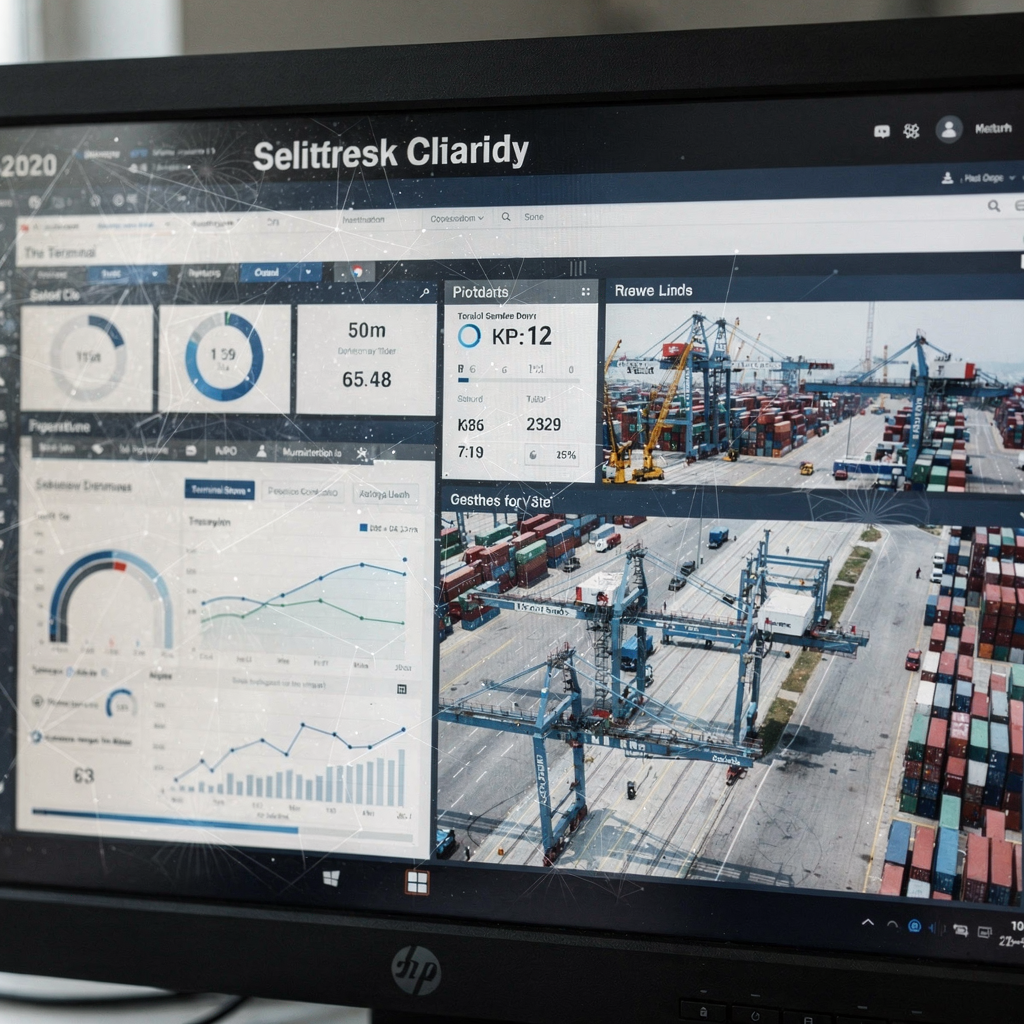
tos integration: harness real-time analytics for smarter terminal operation
Integration is the backbone of modern TOS strategy. First, connect the TOS to IoT sensors, on-vehicle telematics, and third-party systems. Also, ensure seamless integration with other systems such as ERPs and appointment systems. This lets teams build live dashboards that show equipment status, throughput, and system response times.
Second, real-time terminal data must feed predictive and prescriptive layers. For instance, predictive maintenance reduces unplanned downtime by scheduling repairs before failures. Also, real-time analytics enable rebalancing of yard slots as vessel arrival times change. Therefore, the TOS offers operators a clearer view of operations at the container terminal and helps to minimize bottlenecks.
Third, adopt APIs and EDI links to support terminal and shipping line communications. Also, verify compatibility with erp and scada systems to protect cross-system integrity. Loadmaster.ai integrates with leading TOS platforms and adds reinforcement learning agents that drive continuous optimisation. Thus, the agents help optimize terminal workflows, reduce rehandles, and balance crane and yard workloads without relying on historical-only models.
Finally, prepare for automated terminal environments by testing predictive models in a sandbox digital twin. Also, plan governance and audit trails for safer AI rollout. In 2026, expect more terminals to use AI-driven optimisation and predictive scheduling as part of a comprehensive terminal operating system. Consequently, terminals will improve efficiency, cut costs, and handle growing cargo volumes more reliably.
FAQ
What is a terminal operating system?
A terminal operating system (TOS) is software that manages container handling, yard planning, gate operations, and vessel stowage. It coordinates equipment, people, and data to streamline terminal workflows and improve productivity.
How does a TOS support intermodal operations?
A TOS links sea, rail, and road movements through appointment systems and transport order management system features. It synchronises arrivals and departures to reduce truck queues and rail delays while improving handoffs.
Which metrics should terminals track?
Terminals should monitor moves-per-hour, dwell time, equipment utilisation, and error rates. These KPIs show where to optimize terminal container handling and where to invest in automation.
Can a TOS integrate with ERP and customs systems?
Yes, modern systems offer APIs and EDI to connect with third-party business ERP systems and customs systems. This seamless integration with other systems reduces manual entries and speeds cargo clearance.
What are the benefits of cloud-based terminal operating system deployments?
Cloud-based deployments reduce upfront infrastructure costs and allow faster updates. They also support remote access and scale to meet seasonal peaks with flexible pricing.
How do predictive features improve terminal operations?
Predictive maintenance limits equipment downtime by forecasting failures. Also, predictive scheduling helps planners allocate slots and cranes before congestion emerges.
Are modular terminal operating system options suitable for small ports?
Yes, a modular terminal operating system lets smaller ports add functions as they grow. They can start with core gate and yard modules and expand to vessel planning and analytics later.
What role does Loadmaster.ai play with TOS platforms?
Loadmaster.ai supplies reinforcement learning agents that run alongside a TOS to optimise stowage, stacking, and job sequencing. The agents train in digital twins and improve consistency across shifts without needing historical data.
How do I choose the best terminal operating system for my port?
Choose the best terminal operating system by testing scalability, API support, and integration with existing accounting systems and ERPs. Also, run pilot scenarios to measure improvements in moves-per-hour and dwell time reduction.
Can legacy terminals move to automated terminal environments?
Yes, many terminals move from manual and automated terminal modes to more automation incrementally. Start with gate automation, then add yard management and equipment control while keeping staff trained and systems audited.
our products
 stowAI
 stackAI
 jobAI
jobAI
Innovates vessel planning. Faster rotation time of ships, increased flexibility towards shipping lines and customers.
Build the stack in the most efficient way. Increase moves per hour by reducing shifters and increase crane efficiency.
Get the most out of your equipment. Increase moves per hour by minimising waste and delays.
stowAI
Innovates vessel planning. Faster rotation time of ships, increased flexibility towards shipping lines and customers.
stackAI
Build the stack in the most efficient way. Increase moves per hour by reducing shifters and increase crane efficiency.
jobAI
Get the most out of your equipment. Increase moves per hour by minimising waste and delays.