
navis TOS: Market Reach and Core Capabilities
Navis has built a reputation as a market leader in terminal SOFTWARE. First, it is widely deployed. Navis runs in over 200 terminals worldwide and supports millions of container MOVES each year, which demonstrates real MARKET SHARE and reliability Best Terminal Operating Systems (TOS) of 2026 – SourceForge. Also, Navis offers products that scale from a single berth to multi-site operations. Second, the platform centralizes operational data so planners and the terminal operator gain a single source of truth. This execution and visibility help teams react faster. For example, the Navis N4 product is recognized for its capability to handle complex container terminal workflows and to optimize throughput by harmonizing quay, yard, and gate tasks. Third, Navis supports automation and integration. The company describes integrations with automated cranes and other equipment, which lets ports and terminals push toward semi-automated and automated cargo handling and paperless processes SourceForge. Also, the integration reduces admin time. Indeed, terminals report throughput gains up to 20% after implementing Navis systems and execution workflows SourceForge. In addition, the Navis N4 product and related modules connect via API and EDI to shipping lines, truck appointment systems, and inland facilities. As a result, visibility across the yard and berth improves. Furthermore, Navis offers both on-prem and cloud-based deployment options and a mature portfolio of supply chain execution solutions that serve specialized container terminals and mixed cargo operations. If you want a focused dive into the Navis N4 terminal offering, see our detailed guide on Navis N4 Navis N4 terminal offering. Finally, Navis remains a practical choice for high-volume sites that need a robust management system to optimize terminal efficiency and maintain consistent performance across shifts.
kaleris TOS: Evolution, Innovation and Support
Kaleris emerged from a series of mergers that included Navis and other technology teams. As such, it combines heritage software with a renewed customer focus. Also, Kaleris has scaled quickly and now supports a growing number of terminals worldwide. The company emphasizes modular, configurable modules that let operators adapt workflows to local rules and mixed cargo challenges. Additionally, Kaleris places customer support and responsiveness at the front of its service model. For example, staff and partners highlight Kaleris’ focus on inclusion and operational excellence; one Women in Breakbulk member noted the company’s commitment to diversity and support across developing and developed markets Women in Breakbulk Members. Kaleris offers dock and yard modules that integrate with truck appointment and visibility platforms. Therefore, many terminals see quicker turnaround times and fewer delays. Terminals using Kaleris report reductions in turnaround of 10–15% after implementing targeted dock and yard solutions Dock & Yard Management Software — Top Picks For 2025. Also, Kaleris positions itself as a flexible partner for terminals that want configurable, cloud-enabled modules and strong support for change management. In addition, Kaleris provides APIs and integration points for third-party automation, so terminals can adopt emerging automation step-by-step. For teams that prefer software as a service or hybrid operations, Kaleris provides paths to rapid rollout without long on-prem builds. If you want to review Kaleris offerings in more depth, visit our Kaleris terminal operating system overview Kaleris TOS overview.
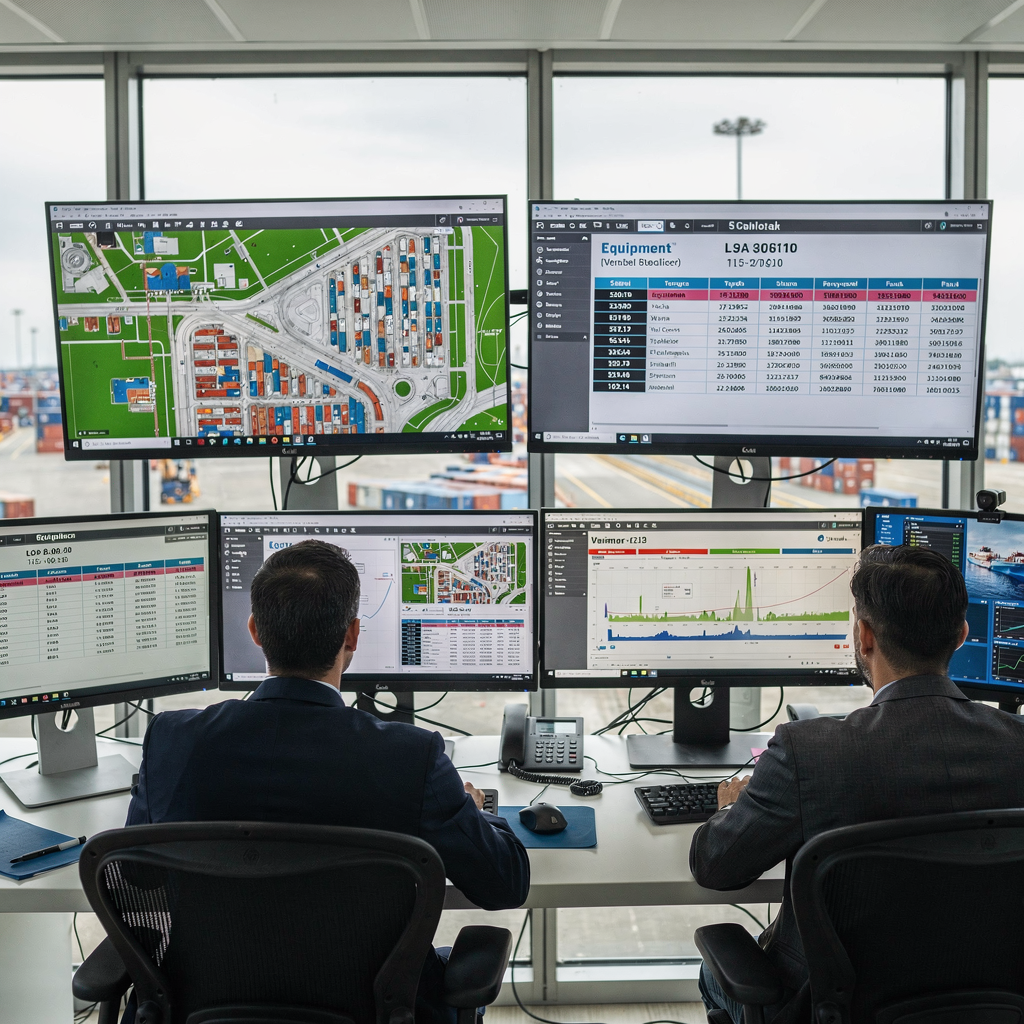
Drowning in a full terminal with replans, exceptions and last-minute changes?
Discover what AI-driven planning can do for your terminal
terminal Yard Management: navis vs kaleris
Yard management is where software impacts daily operations most. Navis delivers mature yard-optimization tools that couple planning with live equipment telemetry. Also, Navis pulls data into a single visibility platform so dispatchers and strategists can see yard density, crane workloads, and planned moves. The centralized approach reduces rehandles. Indeed, terminals using Navis report measurable improvements in yard flow and overall throughput, sometimes near 15–20% depending on scope SourceForge. Kaleris takes a different route. It emphasizes modular yard and dock modules which let teams tune rules by block, shift, or vessel. As a result, some Kaleris clients saw 10–15% reductions in truck and vessel turnaround times after deploying dock and yard modules Dock & Yard Management Software. Users compare the two approaches in practical terms. Navis centralizes decision data and enforces consistent rules across a large global terminal network. Kaleris lets local teams test rules quickly, change gate logic fast, and adapt when vessel mixes shift. Also, many operators comment that Navis handles high-volume, specialized container terminals with greater stability, while Kaleris helps smaller or more diverse terminals implement rapid process change. For terminal teams looking to model yard scenarios before changes, our simulation tools can help plan different policies with your preferred platform simulate yard operations and TOS integration. Finally, both platforms integrate with job-level execution tools, and both support chain execution solutions for yard strategies. The best choice depends on your yard complexity, the need for multi-site consistency, and how fast you want to change operational rules.
tos Automation Features: Technology Integration
Automation is central to the future of port productivity. Navis supports automation for cranes, RTGs, and other equipment and integrates with smart contracts and blockchain pilots that aim to reduce paperwork and speed cross-border workflows. These integrations can cut administrative overhead by nearly 30% when paperless processes replace legacy EDI and manual steps Blockchain Port Automation. Also, Navis has established connectors for automation hardware and for third-party toolchains, which helps the platform tie into wider automation initiatives. Kaleris focuses on flexible integration. It supports plug-and-play modules and APIs so terminals can adopt automation incrementally. For example, a terminal can begin with semi-automated gate and truck appointment tools, then move to crane automation later. This approach reduces risk and allows staff to adopt new workflows with strong vendor support. Furthermore, predictive analytics and visibility tools feed both platforms with equipment and vessel forecasts, which improves decision-making and reduces maintenance and repair operations downtime. In addition, both platforms can link to visibility platforms and transportation management systems so shipping lines, shippers, and freight forwarders get better status. For terminals that want AI-based optimization beyond rule engines, our company offers reinforcement learning agents that work alongside any TOS via API to improve quay and yard coordination. Also, we integrate with TOS via common interfaces and EDI. Thus, automation plus intelligent agents can help optimize terminal outputs, reduce rehandles, and stabilize performance across shifts.
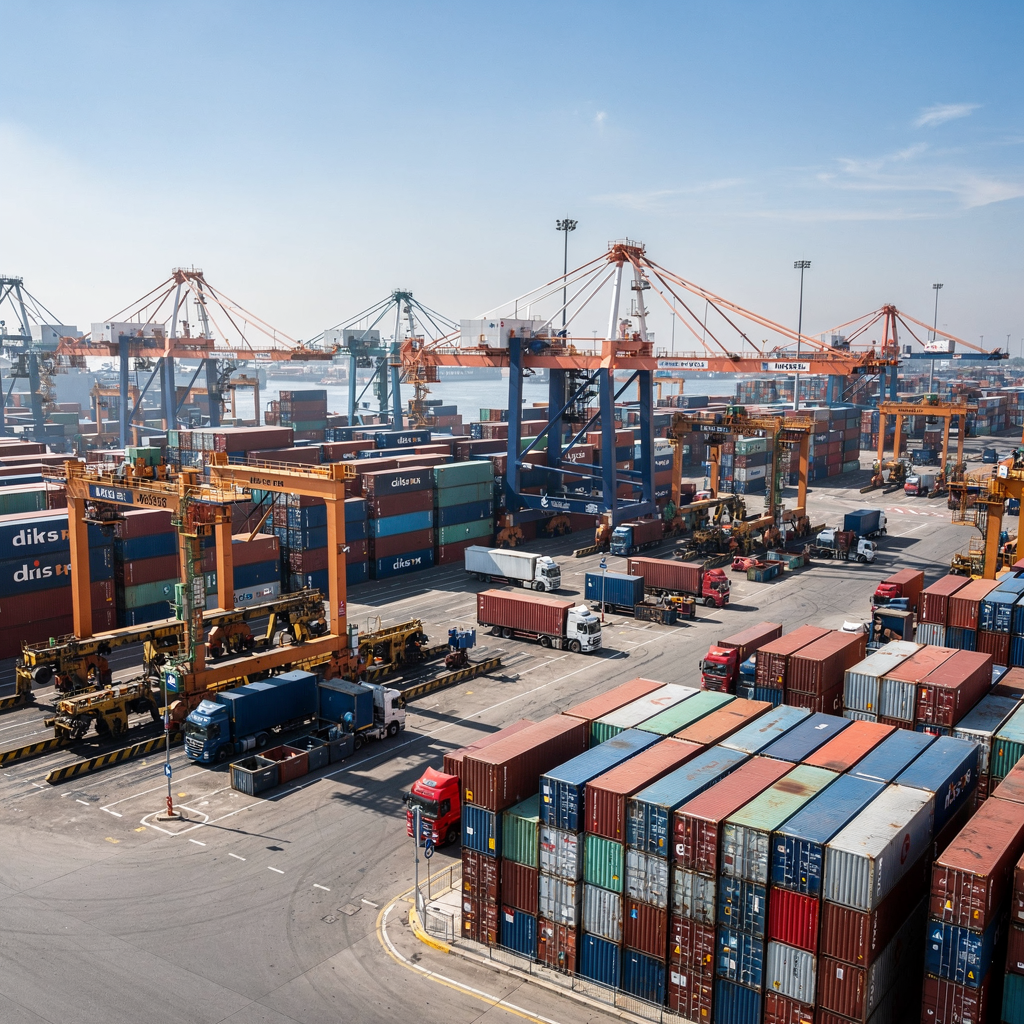
Drowning in a full terminal with replans, exceptions and last-minute changes?
Discover what AI-driven planning can do for your terminal
Supply Chain Visibility in navis and kaleris TOS
Visibility drives smarter logistics and fewer delays. Navis uses a centralized data model that provides real-time decision support to planners, vessel schedulers, and gate teams. Also, this centralization aids execution and visibility across the entire port community. The platform can include real-time vessel tracking and a notification system for truck appointments and berth changes. Kaleris supplies modular visibility tools that let terminals configure the data feeds they need for different stakeholders, from shippers to inland facilities. As a result, Kaleris customers often highlight improved customer communication and faster exception handling. For example, the consolidation of data into a single source has been described as critical for fast decisions: “Having all relevant data available in one location helps terminal operators make faster, more informed decisions,” said a Senior Director of Customer Support at Navis (now part of Kaleris) SourceForge. Also, digital and paperless workflows cut delays when customs, carrier, and terminal systems share timely status. We track examples where terminals reduce administrative tasks by moving to paperless exchanges and integrated electronic data interchange flows Blockchain Port Automation. In addition, integrated visibility supports better maintenance planning and reduces dark spots in the yard where operations get congested. If you want practical simulations of how visibility changes affect throughput and yard density, see our planning and simulation offerings TOS planning and simulation. Finally, a balanced visibility strategy ties TOS data to broader enterprise systems such as ERP and transportation management, which helps reduce friction for the entire supply chain.
Choosing the Right TOS for Your terminal
Choosing between Navis and Kaleris requires clarity on scale, change appetite, and total cost of ownership. First, consider scale. Navis suits high-volume, complex container terminal sites that need proven scalability, deep integration with automation, and strong global support. Also, Navis offers the n4 platform and a mature portfolio of supply chain execution tools tailored to ports and terminals with multiple berths and specialized container terminals. Second, consider agility. Kaleris is attractive where rapid process change, modular deployments, and close customer support matter most. Also, Kaleris often shortens time and resources needed to implement local rule changes and to adopt new dock workflows. Third, consider integration and future-proofing. If your strategy includes automation, predictive analytics, and cloud-based or saas options, check how each provider supports APIs, EDI, and third-party agents. For example, if you want to boost quay planning beyond historical models, reinforcement learning agents can augment any TOS, and our solutions integrate with both Navis and other platforms via API to improve quay and yard coordination TOS modelling and simulation tools. Finally, weigh support, training, and the maintenance and repair operations impact. Navis brings a market leader’s ecosystem and steady updates. Kaleris brings customer focus and fast response. For many terminal operators, the choice comes down to whether you prioritize consistent high throughput or flexible, customer-led changes. If your goal is to optimize terminal flow while modernizing with AI and simulation, you can combine a robust TOS with specialized optimization agents to reach better, more consistent outcomes.
FAQ
What is the main difference between Navis and Kaleris?
The main difference lies in approach. Navis emphasizes a centralized, scalable platform for high-volume terminals, while Kaleris focuses on modular, customer-adaptable modules and responsive support.
How many terminals use Navis worldwide?
Navis is deployed in over 200 terminals globally and supports millions of container moves annually, which underscores its market presence SourceForge. This scale benefits terminals that need proven stability.
Can Kaleris reduce vessel and truck turnaround time?
Yes. Kaleris clients report dock and yard improvements that lead to 10–15% reductions in turnaround times after targeted module implementation Dock & Yard Management Software. The modular approach helps adapt gate and yard rules quickly.
Does Navis support automation and blockchain pilots?
Navis supports automation for cranes and other equipment and participates in pilots that use blockchain for paperless port processes Blockchain Port Automation. These integrations can reduce admin work significantly.
How do the two platforms handle yard management differently?
Navis centralizes yard data to enforce consistent rules across a large network. Kaleris offers modular yard modules for local tuning and faster change. The right choice depends on yard complexity and the need for quick adjustments.
Can my terminal run a TOS in the cloud?
Both modern platforms offer cloud-capable deployments, and some modules can run as cloud-based or SaaS solutions. Review vendor options and your on-prem requirements before selecting a model.
How important is API support when choosing a TOS?
API support is critical for integration with visibility platforms, truck appointment systems, and third-party automation. Terminals needing flexible automation should prioritize TOS vendors with robust API and EDI support.
Are there tools to simulate TOS changes before going live?
Yes. Simulation and planning tools let you model yard operations, gate rules, and quay sequences before committing resources. For practical simulation and what-if scenarios, see our resources on planning and simulation what-if scenarios for terminal TOS.
Will switching TOS disrupt daily operations?
Switching a TOS can be disruptive without careful planning. A phased rollout, strong training, and pilot blocks reduce risk. Vendors and partners often provide sandbox or trial environments to test changes safely.
How can AI improve performance alongside a TOS?
AI agents can augment TOS workflows by optimizing quay plans, balancing yard load, and automating execution decisions. For example, reinforcement learning agents train in digital twins to deliver measurable gains without relying solely on historical data.
our products
 stowAI
 stackAI
 jobAI
jobAI
Innovates vessel planning. Faster rotation time of ships, increased flexibility towards shipping lines and customers.
Build the stack in the most efficient way. Increase moves per hour by reducing shifters and increase crane efficiency.
Get the most out of your equipment. Increase moves per hour by minimising waste and delays.
stowAI
Innovates vessel planning. Faster rotation time of ships, increased flexibility towards shipping lines and customers.
stackAI
Build the stack in the most efficient way. Increase moves per hour by reducing shifters and increase crane efficiency.
jobAI
Get the most out of your equipment. Increase moves per hour by minimising waste and delays.