
expert Guide to autostore tos in Container Terminal Operations
First, secondly, however, therefore, additionally, moreover are common transition markers. In this chapter I explain what autostore tos covers for container handling. The term refers to contractual and technical rules that define how AutoStore software is licensed, how data flows are governed, and which parties accept responsibility during an operation. For example, one of our autostore tos clarifies who owns telemetry and who may access operational logs. This matters for business planning because those rules shape automation, reporting, and compliance.
Next, an autostore tos typically sets licensing and usage rights that govern real-time moves and scheduled tasks. In practice the terms restrict or allow integrations, and they set service levels that vendors must meet. Read the formal clause that explains that product-specific terms override general provisions for conflicts in scope in the official documentation “the latter shall prevail.” That quotation clarifies how layered contracts interact when you integrate external systems like terminal middleware or AI planners.
Additionally, expert commentary explains data privacy and security obligations. An expert will tell you that the TOS describe permitted uses of telemetry, retention windows, anonymisation rules, and approved third-party processing. For terminals that need GDPR or sector compliance the clauses can require encryption at rest and in transit, role-based access, and incident-notification timelines. Loadmaster.ai integrates with TOS-guardrails via APIs so our reinforcement learning agents respect legal constraints while they optimise container moves. If you want technical integration guidance, see our write-up on terminal operating system simulation and integration terminal operating system simulation integration.
Finally, these terms also define liability and limits in case of downtime or mis-routed moves. They influence insurance, indemnity, and whether a vendor must provide patches or paid support. Therefore, planners and legal teams should review the clauses closely before signing. The goal is to enable automation while preserving the right to audit and protect sensitive information.
Understanding tos Structure and Key Provisions for System Control
First, however, next, therefore, additionally, finally provide cohesion. The structure of a tos generally splits into general terms and product-specific addenda. The general terms create a baseline. Yet, as AutoStore notes, product-specific terms can override the general wording in case of conflict (see official PDF). That hierarchy simplifies negotiations when you buy multiple modules or extend features for a single terminal feature set.
Second, the main clauses to watch include intellectual property, termination, and dispute-resolution. Intellectual property rules protect patented robotics and control logic. For instance, patent disputes in the sector continue to shape who may license certain path-planning routines; see recent coverage of a patent appeal decision that affected robotic warehouse competitors here. Termination clauses often tie service credits to uptime, and dispute-resolution sets arbitration or court venues. Read those provisions with procurement and legal counsel present.
Third, the tos enforces system control and limits liability. Specific language defines what happens when an automation component directs an incorrect pick, or when a third-party connector sends invalid instructions. The tos will typically limit the vendor’s monetary exposure, require incident reporting, and mandate corrective actions. To control and optimize the movement across mixed equipment fleets, many terminals require clear escalation paths and defined access for maintenance teams. For practical examples of simulating such rules before live deployment, review our container terminal what-if simulation resource container terminal what-if simulation. That tool helps align contractual controls with technical behaviour and reduces surprises at go-live.
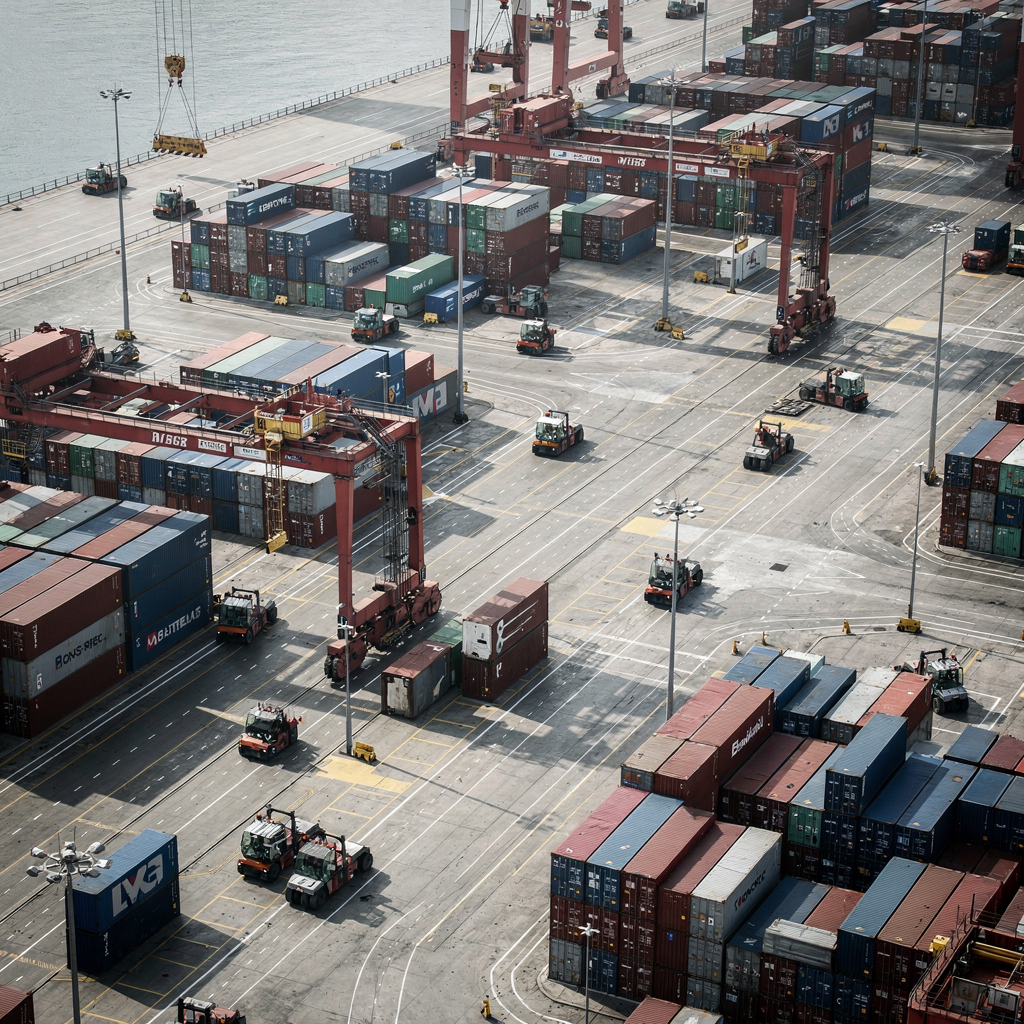
Drowning in a full terminal with replans, exceptions and last-minute changes?
Discover what AI-driven planning can do for your terminal
terminal operating system: Optimise Service and Performance
First, next, however, therefore, additionally, hence help guide reading. The autostore terminal operating system controls inventory and directs robot routes within dense storage cells. In many deployments the platform optimises throughput by scheduling moves, sequencing picks, and balancing equipment loads. This software plays the same role in a container context: it controls all container moves inside the grid and links to external TOS platforms for yard and quay choreography. AutoStore markets the solution as “the world’s fastest goods-to-person solution” and highlights a 99.8% uptime guarantee on their site 99.8% uptime.
Second, the terminal operating system must manage cargo management and the movement and storage of containers with precise rules. It must also optimize the movement and storage so cranes, AGVs, and yard tractors avoid conflicts. The result can be a 4× increase in storage capacity compared to conventional racking, a claim supported by industry analysis 4x storage capacity. Those efficiency gains come from stacking density and reduced aisle needs, and they matter when terminals face constrained land or rising throughput demands.
Third, product architecture ties the local grid controller to higher-level terminal software. That link allows the platform to control and optimize the movement between yard blocks and quay cranes. A clear example appears in how an equipment control software module sends pick requests and how the grid responds. For a practical comparison of how simulation supports TOS integration and decision-making, see our analysis of container terminal simulation vs TOS simulation vs TOS. Integrations that follow the tos structure reduce risk and let operators measure the expected gain before making capital investments.
Finally, the market has seen patent and IP challenges that underline why tos matters for operational control. Vendors protect their inventions, and disputes can change licensing availability for key functions. Those outcomes feed back into procurement choices and upgrade planning. For terminals seeking robust, validated performance, these legal and technical layers provide predictable service commitments and a roadmap for incremental upgrades.
Asset Management Tool: A Solution to Improve Efficiency
First, then, additionally, however, therefore, consequently move the discussion. An asset management tool under the autostore tos functions as a precise ledger for all moving parts. It tracks racks, totes, AGVs, cranes, and scheduled maintenance. The asset data stream feeds analytics that recommend preventive interventions. In this role the tool acts as a powerful scheduler that coordinates manual and automated workflows. It improves uptime by reducing unexpected faults and aligning spare parts with planned downtime.
Second, practical deployments show how this works. For example, dozens of robots operate together in many installations, and some sites run 28 robots to service dense storage blocks. AutoStore style systems have reached 30 installations globally and they optimises containerised cargo management in mixed environments. Those examples show how an asset register and scheduler lower labour and equipment conflicts and reduce idle cycles. When terminals adopt these modules they can automate routine checks and free staff for higher-value tasks.
Third, an asset management approach also supports spare parts and service relationships. Konecranes USA and similar providers integrate with grid systems; in some markets Konecranes USA and other vendors provide on-site maintenance and parts logistics. The tos typically describes response times, which spare parts the vendor holds, and how warranty labour is billed. That clarity speeds fixes, and reduces the total cost of ownership for high-capability equipment. If you want to simulate yard impacts before rollout, try our simulate yard operations TOS integration resource simulate yard operations TOS integration.
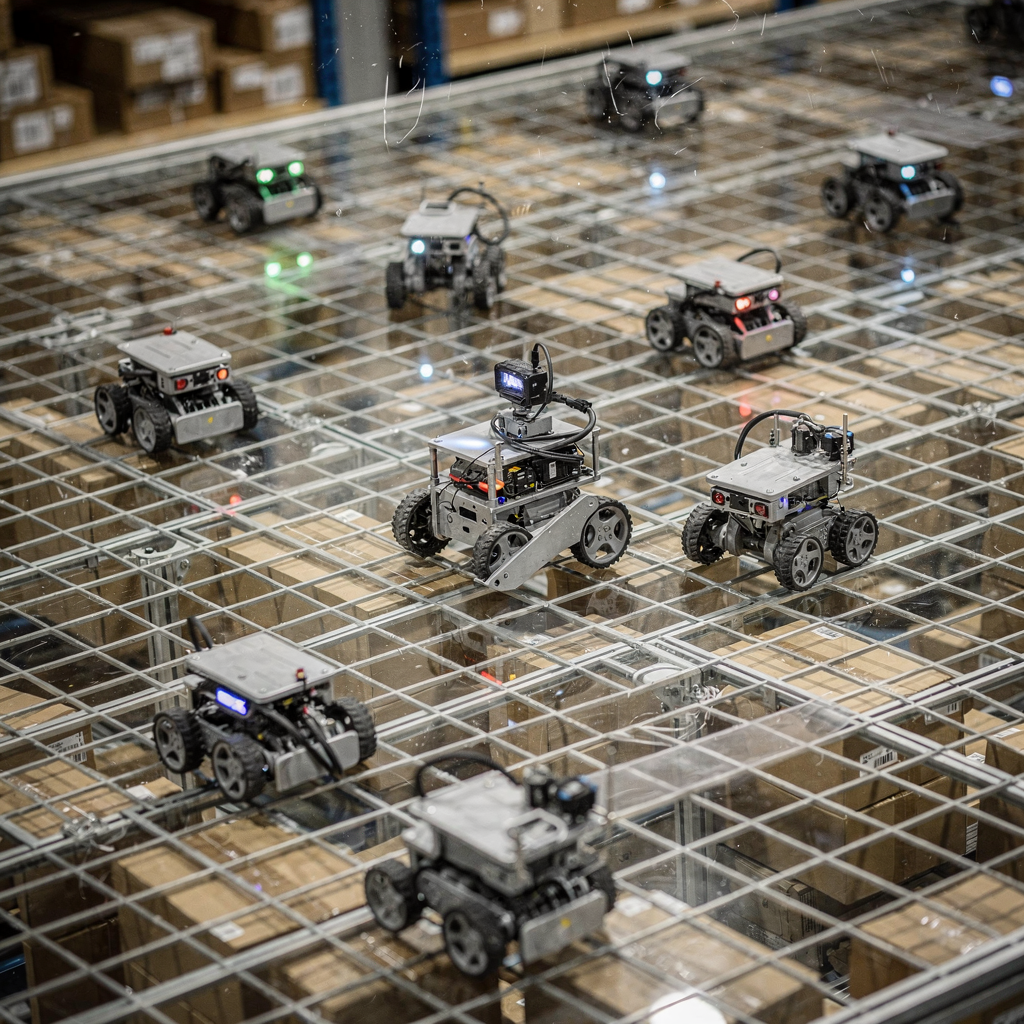
Finally, best practices include clear tagging of assets, routine calibration, and audit logs linked to the tos. These steps let managers reduce rehandles and improve traceability for audits. A focused asset tool therefore becomes a practical solution to lower manual labor, speed fixes, and get better metrics for any terminal running mixed fleets.
Drowning in a full terminal with replans, exceptions and last-minute changes?
Discover what AI-driven planning can do for your terminal
opex Impact of autostore tos on Operational Costs and Uptime
First, however, therefore, additionally, next, consequently clarify outcomes. The opex impact of automation and TOS terms appears across maintenance, labour, and downtime. When a contract guarantees uptime the operator shifts risk; vendors must respond to failures and often provide credits. For instance, AutoStore cites a 99.8% uptime commitment that reduces the frequency of service incidents and unexpected penalties 99.8% uptime. Those commitments translate into lower reactive maintenance costs and fewer disruptions to crane schedules.
Second, savings arrive from automation that reduces unnecessary moves. If you automate repetitive retrievals you cut manual handling, and you lower fuel or electricity spent on long travel cycles. Reinforcement learning agents can further reduce rehandles by planning ahead; our Loadmaster.ai agents train in a digital twin to minimise shifters and shorten driving distances. For modeling ROI under different service guarantees, see our terminal throughput simulation page terminal throughput simulation. That modelling helps quantify how clauses in a tos affect expected operating expense and payback horizons.
Third, service agreements and spare-parts clauses matter to cost. The contract often states who supplies equipment and parts, who bears replacement cost after warranty, and whether the vendor offers optional on-call personnel. For larger installations, konecranes provides service and field engineers via local agreements that reduce turnaround times and spare-parts logistics. Those clauses reduce downtime and thereby lower the variable cost of handling surges.
Finally, operators should weigh upgrade paths in the tos. Some agreements include scheduled updates and upgrades at an additional cost; others bundle patches into the core price. Clear terms reduce unexpected capex and let teams plan for capability expansions. If you want to discuss options or get a detailed quote, get in touch to arrange a review with your vendor and technical team. Alternatively, touch to arrange to speak with our solution architects so you can arrange to speak with one local expert who will review cost and capability trade-offs.
Future Trends: System Upgrades and tos Evolution as a Control Mechanism
First, next, additionally, therefore, hence, consequently point to trends. The next generation of terminal software will embed AI, cloud analytics, and tighter APIs. Vendors will offer upgrades that enhance predictive maintenance, and they will open data ports for analytics platforms. This advance allows you to control more of your flows, and it increases capability for multi-objective optimisation. For terminals that want simulation-backed change, review our terminal digital twin software resource terminal digital twin software which demonstrates how simulated policies reduce risk on live yards.
Second, tos provisions will evolve to support new features and data sharing. Expect clauses about model training, synthetic data, and safe-fail behaviours. Loadmaster.ai already supports TOS-agnostic integration and safe-by-design guardrails, which help terminals adopt AI without exposing sensitive information or breaking contractual rules. As systems expose more telemetry, tos must define permitted disclosures and improved decision-making workflows so stakeholders can audit and validate models.
Third, functionality and flexibility will increase. Platforms will offer modular upgrades, plug-in algorithms, and explainable AI outputs so planners can see why the system recommended a move. That clarity encourages trust and speeds adoption. Vendors will also provide documented APIs and a stronger focus on interoperability, which helps mixed fleets and legacy TOS systems co-exist. For example, simulating what-if scenarios for TOS planning is essential; see our what-if scenarios resource what-if scenarios for terminal TOS.
Finally, the industry will benefit when tos keep pace with innovation. Clear language about model ownership, training datasets, and update cadence will remove friction. Terminals that plan for staged upgrades and use digital twins will gain the most. In short, a careful tos becomes a control lever that lets operators safely adopt powerful new platforms while protecting cost and capability.
FAQ
What does autostore tos cover for container terminals?
The autostore tos outlines licensing, data handling, and support obligations for AutoStore software and related integrations. It specifies who can access telemetry, how updates are delivered, and the liability rules for failures.
How do product-specific clauses interact with general terms?
Product-specific clauses take precedence when the contract states so, which avoids ambiguity across modules. AutoStore’s documentation states that specific terms prevail in case of conflict (official PDF).
Can a terminal operator simulate tos effects before signing?
Yes, simulation tools model the operational impacts of contractual choices, showing expected uptime, move counts, and opex changes. Our simulation pages explain how to test policies and integration choices before live deployment TOS simulation model tools.
What uptime can operators expect under service agreements?
Many vendors publish uptime commitments; one market leader cites a 99.8% system uptime guarantee for their grid platform 99.8% uptime. Contracts vary, so review credits and repair windows carefully.
How do tos clauses affect spare parts and maintenance?
TOS typically define whether vendors supply spare parts, the cost model for equipment and parts, and response SLAs for repairs. Clear clauses reduce downtime and lower unexpected costs.
Will new AI features require updated tos language?
Yes, AI introduces questions about model ownership, training data, and decision auditability. Expect tos updates to cover these topics and require explainable outputs and safe-fail modes.
How do I assess opex savings from automation?
Model expected move reductions, labour shifts, and maintenance savings in a digital twin. Our terminal throughput simulation helps quantify ROI under different service and uptime scenarios terminal throughput simulation.
Can Loadmaster.ai integrate with existing terminal systems?
Yes, Loadmaster.ai is TOS-agnostic and connects via APIs or customer cloud deployments. We train RL agents in a sandboxed digital twin and deploy with operational guardrails for safety and compliance.
What steps reduce legal risk when adopting new features?
Require clear IP clauses, data processing agreements, and patch/update schedules in the tos. Also insist on incident-notification timelines and defined escalation paths for system faults.
How do I arrange a technical review or demo?
If you want a tailored discussion, get in touch to arrange an initial review with our team. Alternatively, touch to arrange to speak with an architect so you can arrange to speak with one technical lead who will walk you through options and cost implications.
our products
 stowAI
 stackAI
 jobAI
jobAI
Innovates vessel planning. Faster rotation time of ships, increased flexibility towards shipping lines and customers.
Build the stack in the most efficient way. Increase moves per hour by reducing shifters and increase crane efficiency.
Get the most out of your equipment. Increase moves per hour by minimising waste and delays.
stowAI
Innovates vessel planning. Faster rotation time of ships, increased flexibility towards shipping lines and customers.
stackAI
Build the stack in the most efficient way. Increase moves per hour by reducing shifters and increase crane efficiency.
jobAI
Get the most out of your equipment. Increase moves per hour by minimising waste and delays.