
logstar: Introduction to a Leading Terminal Solution
Logstar has become a recognized name in modern terminal operations. It delivers a cohesive platform that combines planning, execution, and reporting for busy port environments. As a result, teams can reduce manual tasks and focus on decisions that matter. The software supports yard rules, crane sequences, gate appointments, and automated billing. These modules work together to reduce delays and increase throughput. For example, terminals using Logstar reported measurable efficiency gains, and these reports are documented in industry reviews up to 20% improved operational efficiency. That statistic shows why many port operators choose a proven management solution.
Logstar runs as a multi-purpose platform that scales from single blocks to full terminals. It provides visibility and control across yard, quay, and gate. Also, it integrates with equipment telemetry and financial systems to close operational loops. The platform’s adoption by three of the top eight global port operators underlines its industrial strength (industry adoption data). In practice, a port can deploy Logstar on-premise or in a cloud setting, and it supports multi-site capabilities for operators with several locations.
Stakeholders value the clarity Logstar brings. Planners see container positions in real-time and adjust stow plans to reduce driving distances. Crane supervisors get scheduled tasks that reduce idle time. Gate teams manage truck appointments to avoid congestion. Also, finance teams get automated invoicing and accurate chargeback data. Industry analysts note the system’s integration abilities and say it improves data flow for decision-making (integration commentary). Together, these capabilities make Logstar a master terminal platform for terminals that aim to optimize resource use and improve overall port performance.
tos: Core Functionalities That Boost Throughput
TOS functionality centers on five core areas: yard management, vessel planning, crane scheduling, truck appointments, and automated billing. Each area reduces friction points in the flow of containers. Yard management uses location data to reduce retrieval time and limit rehandles. Vessel planning sequences stows to cut crane travel and minimize idle time. Crane scheduling automates assignments so equipment runs at peak productivity. Truck appointment systems smooth gate spikes and prevent queuing. Automated billing ties movements to charges so finance staff close cycles faster.
Logstar’s modules work together. For example, vessel plans communicate with yard placement rules and truck appointments so moves are executable. That coordination drives measurable improvements. Terminals using Logstar reported up to 20% operational efficiency gains and shorter turnaround metrics (reported gains). These numbers support the claim that a well-integrated system can positively affect throughput. Also, SourceForge listings highlight Logstar among top terminal platforms in the region (regional reviews).
The platform enables automation in crane scheduling and billing which reduces manual error and lowers admin cost. Meanwhile, real-time and near-real-time data feeds let supervisors react quickly to disruptions. As a result, the terminal sees fewer delays and a steadier handling rate. Logstar tos reviews praise this practical automation and the system’s configurable workflows. In short, a solid TOS helps the port control moves, lower costs, and raise throughput while protecting service levels. If your team wants to explore simulation-backed decision tools, see an example of TOS integration with simulation for decision support TOS simulation integration.
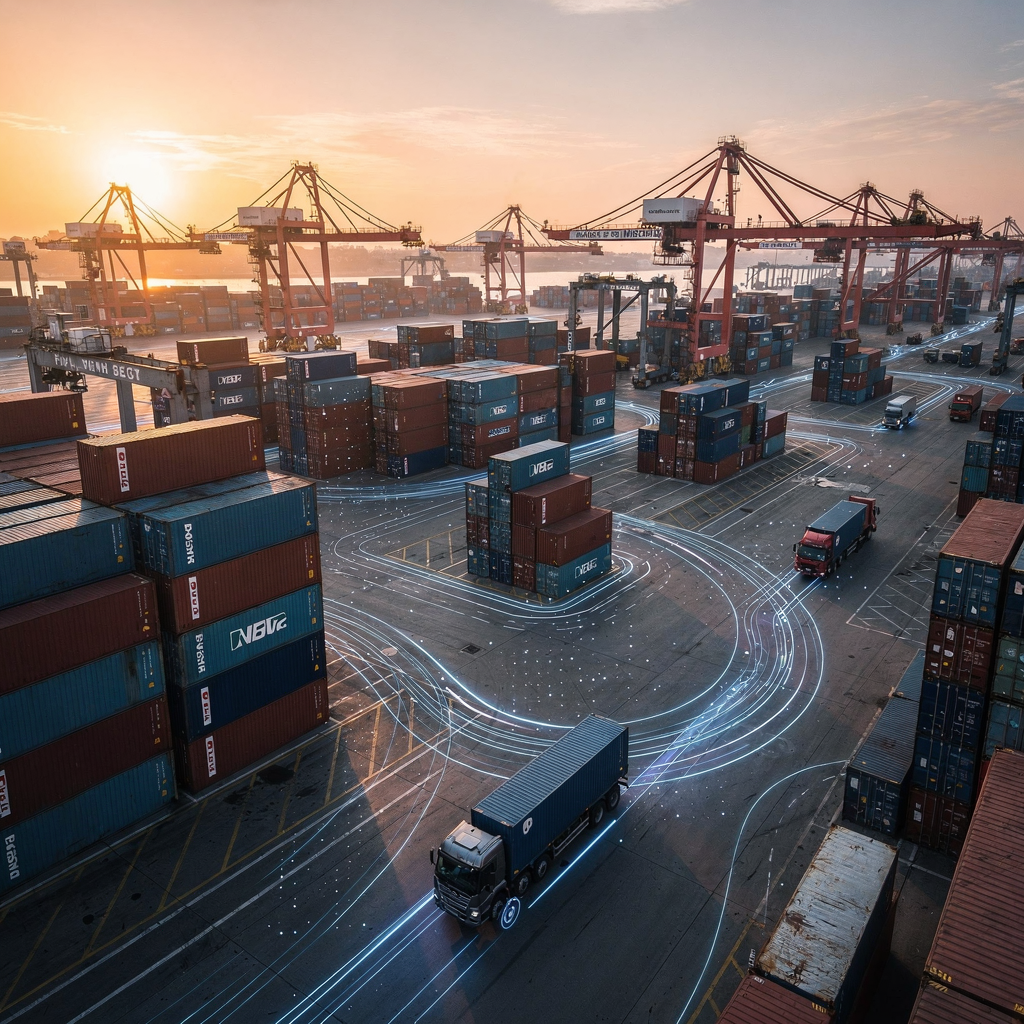
Drowning in a full terminal with replans, exceptions and last-minute changes?
Discover what AI-driven planning can do for your terminal
terminal operating system: Enabler of Digital Transformation
A modern terminal operating system helps terminals digitally transform their operations by connecting data, rules, and execution. It collects telematics from cranes, vehicles, and gates, then converts that data into actionable tasks. The system also provides reporting and dashboards so managers can prioritize interventions. For example, Logstar terminal operating system offers modules that support planning and management of container flows and that provide real time information to planners and operators. This capability encourages proactive planning rather than reactive firefighting.
Many terminals now use digital twins and simulation to test changes before they go live. These tools complement a TOS by validating policies and estimating impacts on throughput and capex. If you want to see how simulation can support TOS decisions, explore digital twin software that models terminal dynamics digital twin software. In addition, simulation-for-TOS tools allow teams to trial changes such as equipment mixes and gate rules without operational risk simulation for TOS decision support.
Logstar tos enables data-driven workflows that move yards away from siloed spreadsheets. It supports real-time tracking and real-time monitoring of container positions, and it integrates with shipping lines and inland depots for smoother handoffs. As one industry analyst said, “The integration capabilities of Logstar TOS with other supply chain systems provide a seamless flow of information, which is critical for decision-making in today’s fast-paced maritime environment” (analyst quote). Thus, a terminal operating system helps terminals achieve consistent performance and measurable operational efficiency. For teams balancing quay productivity and yard congestion, this digital approach reduces rehandles and evens workload across shifts.
types of terminals: Adapting to Diverse Handling Needs
Terminals vary widely, and a single system rarely fits every use-case without customization. Container terminals need tight crane sequencing and yard zoning. Bulk terminals require flow-control and stockpile management. Car terminals focus on lane optimization and secure storage. Multipurpose sites handle general cargo and must support mixed workflows. A versatile TOS must be customizable to support different types of terminals in the industry.
Logstar offers configurable modules so teams can tailor workflows for container, bulk, and car handling. It supports planning and management of container moves, but it can also adapt to syncrolift operations and general cargo handling. For example, a marine cargo terminal will prioritize berth scheduling and cargo handling equipment control modules, while an inland container depot focuses on truck appointment throughput and gate throughput. The platform’s design allows terminals to scale up or scale down as business needs change.
A terminal operator will value a system that supports on-premise installs and cloud-based deployments. This flexibility helps operators manage CAPEX and operational budgets. Also, the capacity to perform firmware upgrades and automated configuration backups keeps systems current without long outages. In turn, terminal teams gain resilience and improved visibility and control. When shipping lines depend on predictable service, a robust TOS that supports multiple terminal types becomes an essential part of the port and terminal ecosystem.
Drowning in a full terminal with replans, exceptions and last-minute changes?
Discover what AI-driven planning can do for your terminal
yard operations: Optimising Space and Workflow
Yard operations determine how efficiently a terminal uses space and resources. Accurate placement cuts moves per container and preserves crane uptime. Real-time tracking of container locations reduces search time and prevents unnecessary reshuffles. Logstar provides features to map yard blocks, track container moves, and schedule reshuffles based on priority. These capabilities help operators minimize yard congestion and improve retrieval times.
To optimize yard flow, planners use allocation rules and simulated scenarios to test stacking strategies. For example, moving import boxes closer to active gates lowers truck cycle time. Also, protecting outbound stacks based on vessel calls reduces rehandles. A practical approach combines system recommendations with human oversight. Loadmaster.ai’s reinforcement learning approach illustrates how AI agents can balance quay productivity versus yard congestion. Our agents train in a digital twin so the yard strategist can test policies that reduce driving distances and even out RTG workload.
Moreover, Logstar depot plus features support for inland container depots and for multi-site capabilities that keep operations consistent across multiple locations. The system offers real-time tracking and real-time monitoring so supervisors see equipment positions and container statuses. These features enhance security and help teams avoid costly delays. When yards run smoother, throughput improves and the terminal’s promised productivity becomes more achievable in daily operations.
seamless: Achieving End-to-End Cargo Flow
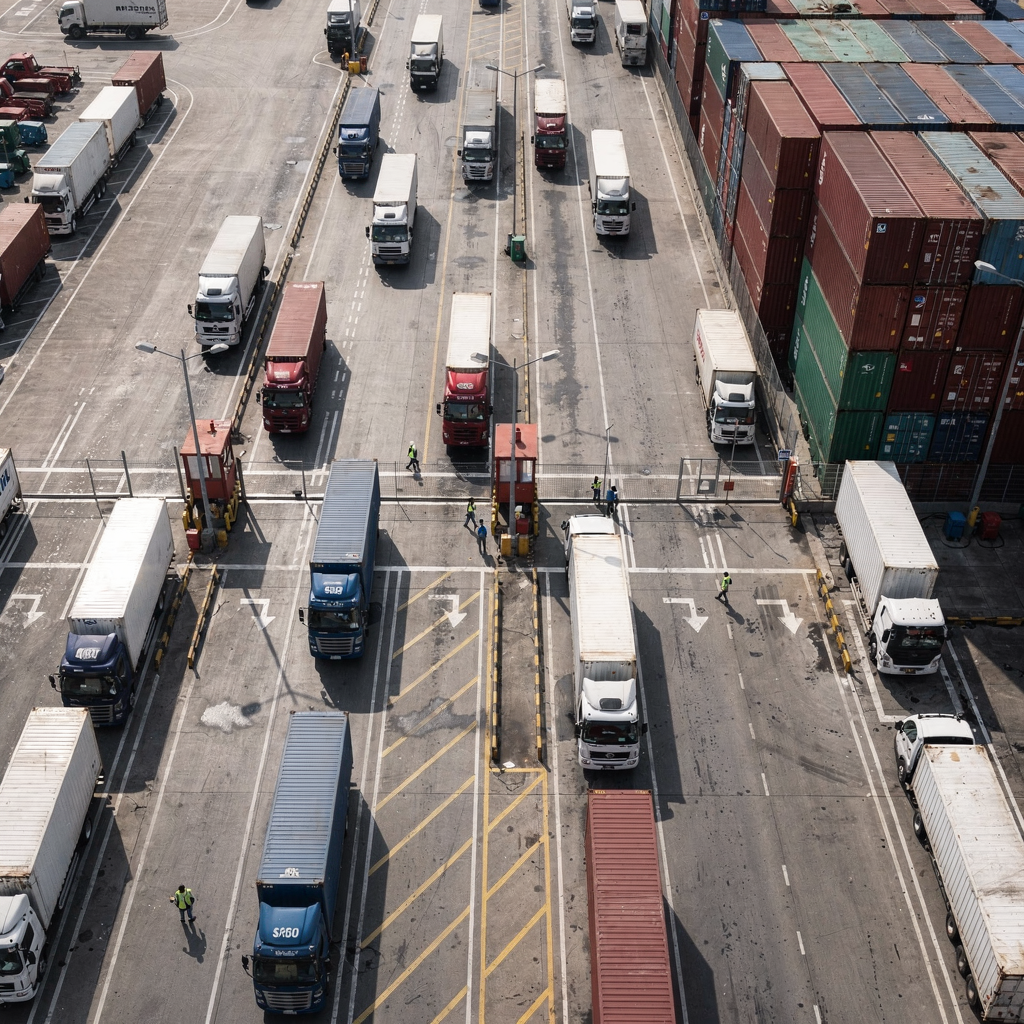
Seamless cargo flow requires coordination across quay, yard, and gate. Automated scheduling and gate management prevent bottlenecks and keep equipment busy. For instance, truck appointment windows reduce queuing and stabilize throughput. Vessel stow plans that align with yard placements shorten berth stays. When these elements link, cargo moves with fewer stops and less manual intervention.
Logstar tos supports integration with shipping lines and with equipment control modules so moves follow a single plan from arrival to departure. That single plan is what helps the port and terminals to digitally align stakeholders and reduce friction. In practice, teams that adopt a cohesive system report a drop in turnaround time and in administrative overhead. One port operations manager said, “Implementing Logstar TOS transformed our terminal’s efficiency, enabling us to handle increased throughput without compromising service quality” (client testimonial).
Case studies show smoother cargo movement when a TOS coordinates activities and when operators test policies in simulation before rollout. For teams that want to reduce rehandles and improve planning robustness, combining a reliable TOS with decision-support simulation yields the best outcomes. For more detail on simulation tools that test TOS planning, see an example comparison of container terminal simulation and TOS integration simulation vs TOS comparison. In short, a cloud-based or on-premise TOS that links planning, execution, and reporting makes end-to-end cargo handling more predictable and efficient.
FAQ
What is Logstar and how does it differ from other TOS?
Logstar is a comprehensive terminal operating system that combines yard management, vessel planning, crane scheduling, truck appointments, and billing. It differs by offering configurable modules and multi-site capabilities so operators can adapt the system to different terminal types.
Can Logstar improve terminal throughput?
Yes. Terminals using Logstar have reported measurable operational efficiency gains, with some reports indicating up to 20% improvement (reported data). These improvements come from better coordination across quay, yard, and gate.
Does Logstar support cloud-based deployment?
Logstar supports cloud-based and on-premise deployments. This allows operators to choose a model that fits their CAPEX and operational preferences. Both options can provide scalable services and secure data handling.
How does Logstar handle yard operations?
Logstar provides tools for real-time tracking, block allocation, and reshuffle planning so yards run efficiently. The platform also integrates with equipment telemetry to reduce search times and unnecessary moves.
Is Logstar suitable for different types of terminals?
Yes. The system adapts to container terminals, marine terminals, bulk terminals, and terminals that handle general cargo. Its customizable workflows let operators configure policies to match handling requirements.
Can Logstar integrate with external systems and shipping lines?
Logstar integrates with shipping lines, gate systems, and finance systems to maintain a single flow of information. Integration reduces manual handoffs and supports better visibility and control across the supply chain.
How do terminals test changes before deploying them?
Terminals use simulation and digital twins to trial operational changes without risk. These tools let managers model scenarios such as equipment mixes, gate rules, and berth windows and then evaluate impacts on throughput and capex.
What role does automation play in Logstar?
Automation in Logstar handles crane assignments, appointment scheduling, and billing processes to reduce manual errors. This automation helps lower administrative costs and supports consistent performance across shifts.
How does Logstar support inland container depots?
Logstar depot solutions extend yard and gate controls to inland container depots, offering visibility and billing features tailored to depot workflows. These capabilities help align depot operations with port schedules.
How can a terminal get started evaluating Logstar?
Terminals should start with a pilot block or a digital twin exercise to measure impacts before full deployment. Combining simulation with a sandboxed TOS implementation yields actionable insights and reduces deployment risk.
our products
 stowAI
 stackAI
 jobAI
jobAI
Innovates vessel planning. Faster rotation time of ships, increased flexibility towards shipping lines and customers.
Build the stack in the most efficient way. Increase moves per hour by reducing shifters and increase crane efficiency.
Get the most out of your equipment. Increase moves per hour by minimising waste and delays.
stowAI
Innovates vessel planning. Faster rotation time of ships, increased flexibility towards shipping lines and customers.
stackAI
Build the stack in the most efficient way. Increase moves per hour by reducing shifters and increase crane efficiency.
jobAI
Get the most out of your equipment. Increase moves per hour by minimising waste and delays.