
terminal Challenges and Opportunities at APM Terminals
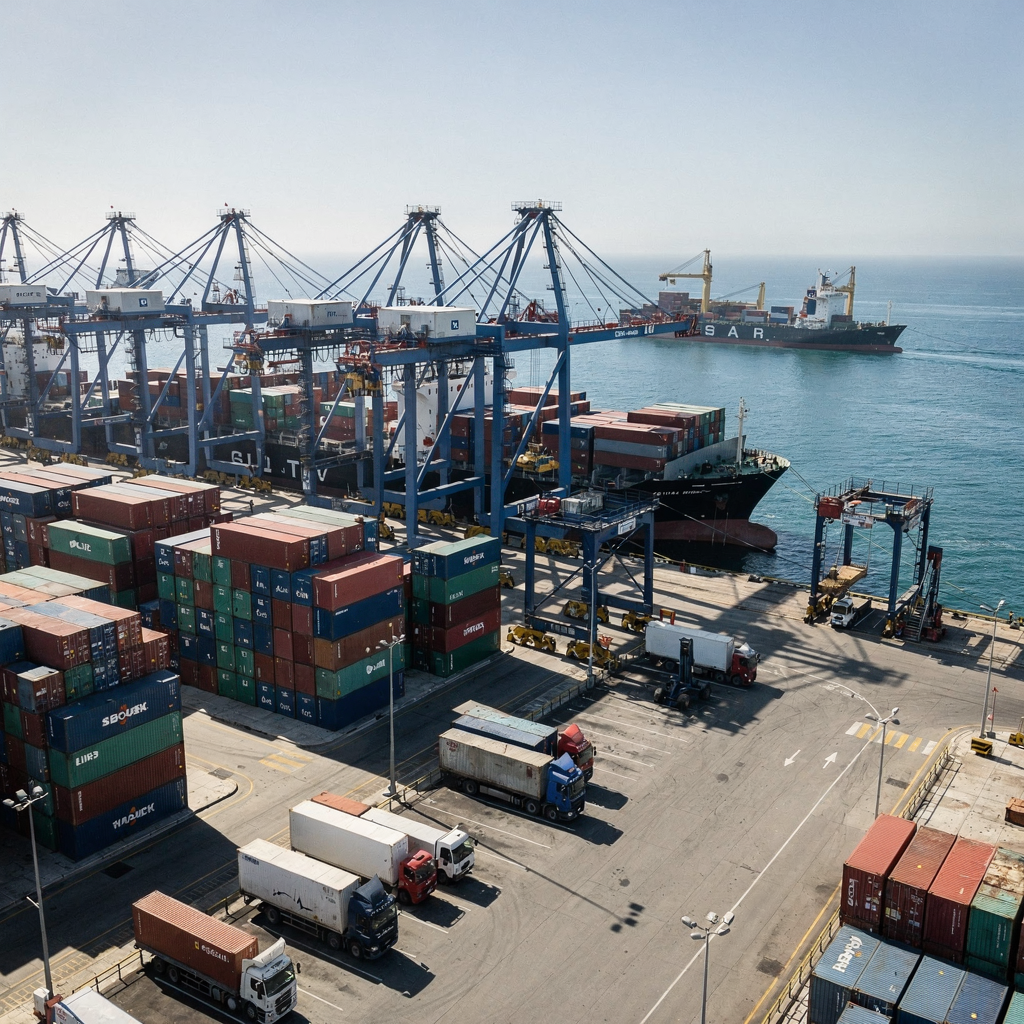
APM Terminals face tight margins, shifting vessel schedules, and changing cargo mixes. Current inefficiencies in vessel turnaround and yard utilisation create daily pressure on planners and operational staff. Planners often juggle many constraints, and they must prioritize quay moves while avoiding yard congestion. At the same time, fragmented data flows from gate systems, shipping lines, and third-party providers increase handovers and delays. The result is slower berth changeovers, higher dwell times, and extra moves. To address these issues, APM Terminals needs a unified approach. A single, enterprise-grade terminal operating system can reduce friction, improve predictability, and enable smarter decision making.
Fragmented gate processes hurt throughput and raise costs. Gate staff work from paper lists, voice calls, and siloed dashboards. That slows vehicle queues and complicates container tracking. Rail operators struggle because rail schedules arrive separately from vessel plans, so synchronizing slot availability becomes a reactive exercise. When rail operations and port planning do not align, delays ripple into hinterland logistics and increase claims. For APM Terminals, better integration between rail and quay workflows will improve cargo flows and customer service.
The strategic need for a unified TOS is clear. A modern navis solution brings standardization, but adoption requires careful change management and tailored migration plans. For example, large operators have committed to n4 adoption as part of digital transformation roadmaps. COSCO SHIPPING announced plans to apply Navis N4 across its terminals within three to four years (COSCO filing). APM Terminals can reduce rehandles, support higher crane utilization, and better align yard management with vessel planning. Loadmaster.ai complements this by providing reinforcement learning agents that augment planners, so terminals gain robust, policy-driven recommendations without needing large historical datasets. This approach helps teams move from firefighting to planning, and it helps terminal operators deploy consistent decisions across shifts.
navis n4 terminal operating system and navis tos: Features Overview
Navis N4 is a mature platform designed for complex container flows. The navis n4 terminal operating system delivers advanced modules for dynamic yard layout, vessel planning, and equipment control. These modules offer key features such as dynamic slotting, advanced optimization modules, and integrations with equipment telemetry. Navis supports scalable rollouts and is widely used across ports and terminals to handle high throughput. The platform includes a navis tos layer for task and move orchestration, and the n4 system can integrate with third-party devices, gate OCR, and remote diagnostics.
Dynamic yard layout management simplifies container handling by enabling reconfiguration of blocks and lanes without lengthy reprogramming. Yard management tools reduce driving distances, cut rehandles, and balance RTG workload. The navis solution also incorporates optimization routines for vessel stowage, which help maximize crane productivity and reduce shift-to-shift variability. Ports using navis report measurable gains in operational predictability and throughput; industry reports highlight Navis as a top TOS in many major terminals (Thetius).
Integration capabilities are strong. Navis connects to ERPs, port community systems, and equipment control layers via an API model, so data flows between gate, rail, and vessel planning systems. For APM Terminals, that means fewer manual hand-overs and more consistent execution. The solution is also scalable and customisable, so terminals can deploy a minimal pilot and then expand features as volumes grow. When paired with smart optimization and analytics, navis n4 helps enable faster, timely responses to peaks, and it helps teams improve service levels for shipping lines and hinterland partners.
Drowning in a full terminal with replans, exceptions and last-minute changes?
Discover what AI-driven planning can do for your terminal
real-time data Integration via kaleris for supply chain visibility
Real-time data links are crucial to seamless end-to-end orchestration. The Kaleris platform can link rail and container flows to provide unified visibility across modes. By streaming container and rail status into a dashboard, planners gain timely context for slot allocation, and teams can prioritize moves before congestion develops. Kaleris helps align rail windows with yard slots and vessel estimates, which reduces double handling and shortens dwell time. The combination of a strong TOS and a rail-aware digital platform supports smoother hinterland handoffs and better customer service.
Dashboards deliver proactive insights. KPI tracking for dwell time, throughput, and resource allocation lets managers act early. Operators can alert crews to anticipated bottlenecks, and they can reassign equipment to protect berth productivity. The use of analytics and live container position feeds supports exception management and reduces the need for manual queries. In a practical example, live visibility from a navis n4 rollout allowed a port to reduce vessel idle time and raise on-quay moves per crane per hour (Inmarsat / Thetius).
To integrate systems, teams must define clear APIs and message patterns. Navis n4 exposes an API suite that enables system-to-system exchange, and Kaleris consumes those endpoints to present consolidated status. This approach helps terminals integrate gate data, rail manifests, and yard positions in near real-time data feeds. Loadmaster.ai’s digital twin and simulation capabilities can test these integrations before go-live, and our simulation pages explain how to validate TOS decision support and migration plans terminal operating system simulation integration. The result: a more resilient, observable supply chain and fewer surprises at the gate.
automate Yard and Gate Monitoring to maximize Efficiency
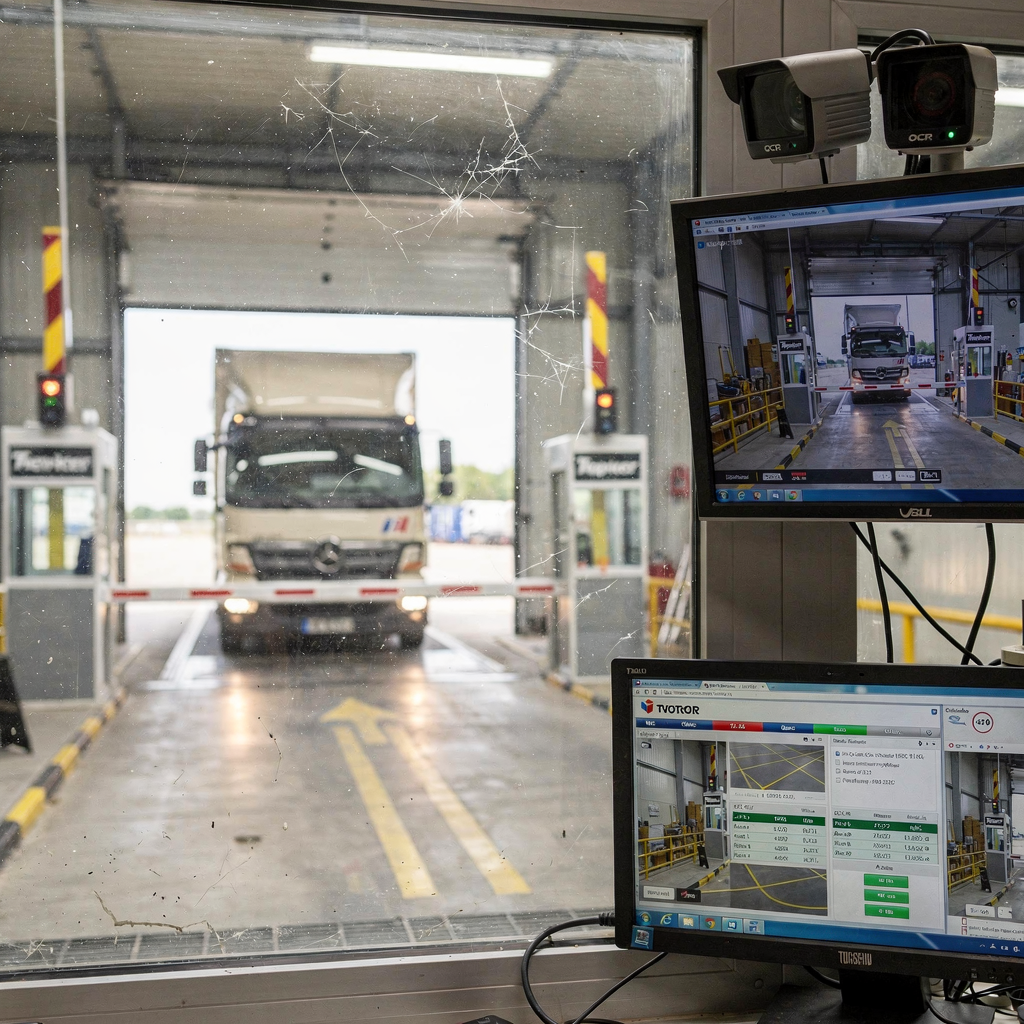
Automated gate scheduling and OCR reduce human friction at the gate. By automating entry checks, terminals shorten transaction times and lower queues. OCR, when combined with verification from the n4 system and third-party manifest data, cuts manual lookups and speeds truck turnaround. Gate automation also feeds accurate move requests to yard controllers so that pick-up and delivery workflows run more smoothly. The net effect is lower dwell and faster throughput for import and export flows.
Remote equipment diagnostics and predictive maintenance alerts help keep cranes, RTGs, and trucks online. Navis integrates equipment telemetry, and the platform can generate an alert when machine behavior deviates from norms. Predictive maintenance reduces unscheduled downtime and supports a stable berth plan. Teams receive timely notifications, and mechanics allocate resources with better foresight. This reduces firefighting and improves operational predictability.
Automation also reduces manual hand-overs and human error. By routing move orders via the navis tos, the terminal minimizes ambiguous instructions and duplicate tasks. Systems coordinate the dispatcher, the crane operator, and the yard truck, which helps ensure moves execute efficiently. Loadmaster.ai complements this by offering reinforced decision agents that automate complex trade-offs between quay productivity and yard congestion. When terminals run a pilot, they can use digital twins to validate operational changes before broad migration container terminal simulation tools. The result: higher productivity, reduced rehandles, and better resource allocation.
Drowning in a full terminal with replans, exceptions and last-minute changes?
Discover what AI-driven planning can do for your terminal
seamless Integration in n4 terminal operating system for Container-Rail Tracking
Seamless integration between yard systems and rail operators is central to end-to-end visibility. The n4 terminal operating system provides APIs that enable real-time container position updates from yard blocks to rail siding. That lets rail planners see exactly which wagons are ready for loading, and it helps rail operators schedule slots with confidence. When a container moves to a rail siding, the system can update the manifest and notify the rail carrier to reduce idle time.
API-driven data exchange minimizes manual reporting. Data flows from the n4 system into WMS and ERP systems, which ensures accounting, customs clearance, and hinterland logistics teams have consistent records. An API-based approach also supports third-party integrations like yard optimization tools and custom analytics. For terminals aiming to provide live container status to customers, these integrations reduce disputes and improve transparency. Container tracking benefits shippers, and it helps terminals maintain compliance with industry standards by providing auditable records.
End-to-end cargo visibility lets exception workflows operate faster. If a container misses a scheduled rail slot, the TOS can re-prioritize moves and enable re-sequencing without disrupting the vessel plan. That reduces rehandles and protects berth productivity. For APM Terminals, integrating the n4 system with rail manifests can cut dwell time and lower overall costs. Research on implementation challenges notes that stakeholder engagement and change management are essential for a smooth migration (research on implementation). Loadmaster.ai’s simulation and decision-support tools can validate API flows and run what-if scenarios so teams deploy with confidence simulate yard operations and TOS integration.
upgrade to navis n4: Strategy, ROI and Best Practices
A clear, phased plan lowers risk during a navis n4 upgrade. Start with a pilot block, then expand in measured phases. A pilot allows teams to test the new system, confirm API integrations, and tune advanced optimization modules. For a full rollout, plan training, stakeholder engagement, and contingency migration steps. Training must include not only operations staff but also IT, maintenance, and commercial teams, so everyone understands new workflows and expected KPIs.
Measure ROI through several lenses. Quantitative gains include reduced moves per container, shorter dwell time, and higher throughput per crane. Qualitative gains include more consistent customer service and fewer ad hoc decisions during peak windows. Industry case studies report substantial operational gains after n4 deployments; for instance, ports upgrading to Navis report better vessel turnaround figures and improved planning visibility (Port of Auckland annual report). To capture value, terminals should track baseline KPIs and compare them against post-deployment performance.
Best practices for implementation include robust change management, extensive end-user training, and simulated migration rehearsals. Loadmaster.ai recommends using a digital twin and reinforcement learning agents to test policies before they go live so the new system can be refined without disrupting operations. Ensure compliance with industry standards and audit trails, and include Java-based or custom connectors where needed to integrate legacy systems. Finally, plan for continuous improvement: collect analytics, run regular reviews, and evolve KPI weights to sustain gains while reducing costs and maximizing throughput.
FAQ
What is Navis N4 and why should APM Terminals consider it?
Navis N4 is a comprehensive TOS that manages vessel planning, yard management, gate operations, and equipment control. APM Terminals should consider it because it standardizes workflows, supports advanced optimization modules, and scales to handle high throughput with API-based integration to rail and hinterland systems.
How does Navis N4 improve vessel turnaround?
The platform improves vessel sequencing, crane assignment, and berth utilization through optimized stow plans and task orchestration. Real-time updates and integration with gate and yard systems reduce idle time and enable faster, more predictable operations.
Can Navis N4 integrate with rail systems and Kaleris?
Yes. Navis exposes APIs that enable data exchange with rail platforms like Kaleris, so terminals get synchronized rail windows and container position updates. This integration improves scheduling and reduces double handling in intermodal flows.
What are the main implementation challenges?
Challenges include integrating legacy systems, staff training, and managing stakeholder expectations during migration. Successful implementations use phased rollouts, simulated testing, and strong change management to reduce operational disruption.
How does automation at the gate help productivity?
Automated gate scheduling and OCR speed truck turnaround, reduce manual checks, and feed accurate move orders into the yard system. This lowers dwell time and increases overall throughput.
What role can Loadmaster.ai play in a Navis N4 migration?
Loadmaster.ai provides reinforcement learning agents and a digital twin to test and optimize policies before go-live. These tools help reduce rehandles, balance workloads, and provide robust, policy-driven recommendations that complement the TOS.
How should terminals measure ROI after upgrading?
Measure ROI with metrics like moves per container, dwell time reduction, crane productivity, and customer service KPIs. Compare baseline measurements with post-deployment analytics to quantify cost savings and throughput gains.
Is Navis N4 suitable for mixed cargo and general cargo handling?
Navis N4 is scalable and can support mixed cargo handling by customizing yard layouts and stowage rules. Terminals handling general cargo can configure modules and workflows to meet operational needs.
How do APIs improve container tracking and visibility?
APIs enable live container status updates between yard systems, rail manifests, and customer-facing portals. This provides visibility to customers and reduces errors from manual reporting.
What are best practices for ongoing optimization after go-live?
Continue using simulation, analytics, and periodic reviews to adjust KPI weights and improve resource allocation. Invest in training, leverage automation where possible, and adopt a continuous improvement mindset to maximize benefits.
our products
 stowAI
 stackAI
 jobAI
jobAI
Innovates vessel planning. Faster rotation time of ships, increased flexibility towards shipping lines and customers.
Build the stack in the most efficient way. Increase moves per hour by reducing shifters and increase crane efficiency.
Get the most out of your equipment. Increase moves per hour by minimising waste and delays.
stowAI
Innovates vessel planning. Faster rotation time of ships, increased flexibility towards shipping lines and customers.
stackAI
Build the stack in the most efficient way. Increase moves per hour by reducing shifters and increase crane efficiency.
jobAI
Get the most out of your equipment. Increase moves per hour by minimising waste and delays.