
digital twin and port simulation in terminal environments
First, define what a digital twin is for terminal operations. A digital twin is a deliberate digital representation of a physical facility that mirrors behavior, state, and performance. In short, the twin is a virtual representation of the full facility. This digital representation acts as a virtual mirror for container yards, crane lanes, and truck gates. For example, a digital twin provides a continuously updated model of layout, equipment states, and workload. Therefore planners can test changes safely before committing capital.
Second, explain the role of simulation in a sea port context. The simulation element recreates vessel arrivals, berth allocation, stacking, and container movement. It simulates scheduling and resource conflicts so managers see potential bottleneck areas before they occur. In addition, simulation helps with strategic and tactical planning across quay and yard. As a result, stakeholders reduce risk and save money while operations evolve over time.
Third, highlight lifecycle management benefits. A digital twin enables continuous lifecycle tracking of equipment, software, and infrastructure. It supports process optimization when assets age or business needs shift. For instance, Siemens explains how a digital twin evolves over an asset lifecycle to cut prototype costs and reduce downtime for large systems Siemens – Digital Twin. In practice, a terminal operator gains foresight into maintenance and capacity needs. Consequently the management system can schedule upgrades and mitigate failures before they interrupt service.
Finally, this chapter grounds the idea that terminal solutions are not just visualization. Instead they become a decision support layer that ties yard control to vessel operations, gate scheduling, and rail operations. For practical advice, read about container-terminal digital transformation strategies with real deployment notes and case studies container terminal digital transformation strategies. This approach shifts teams from firefighting to planning, and it improves terminal efficiency while reducing idle time.
real-time simulation model for container terminal operations
First, describe how data flows into a simulation model. Sensors, RTLS, and IoT devices stream position, health, and status to a central engine. Then the simulation model updates with near continuous telemetry. As a result, the virtual environment mirrors real-world conditions closely. A real-time feed lets planners test what-if scenarios against live terminal data. For example, IBM defines a digital twin as using live inputs to reflect real-world behavior What is a digital twin? – IBM. This connection helps teams respond faster to disruptions.
Second, explain the technical backbone. Data ingestion includes GPS, RFID, crane PLCs, and chassis sensors. Next, middleware normalizes incoming streams for consistent semantics. Then event processors push updates into the simulator so the twin is synchronized. In addition, the design supports scalable replay of historical data, while also accepting real time corrections.
Third, show how continuous feeds maintain accuracy. Continuous updates reduce the gap between plan and practice. Therefore a terminal operator can monitor queue lengths, crane occupancy, and gate throughput with high fidelity. For concrete examples of live terminal applications, Siemens and IBM demonstrate lifecycle-linked models and real-time synchronization that help optimize resource use and cut risk Siemens – Digital Twin and IBM – What is a digital twin?. These case studies show that real-time twin deployments yield better scheduling and fewer surprises.
Finally, adopt simulation tools that integrate with existing terminal operating system platforms. A good integration path links the twin to the TOS and to external APIs. For further technical depth on building simulation environments in yards, see the container terminal simulation software overview container terminal simulation software. This ensures the simulator supports decision-making and closes the loop between plan and execution.
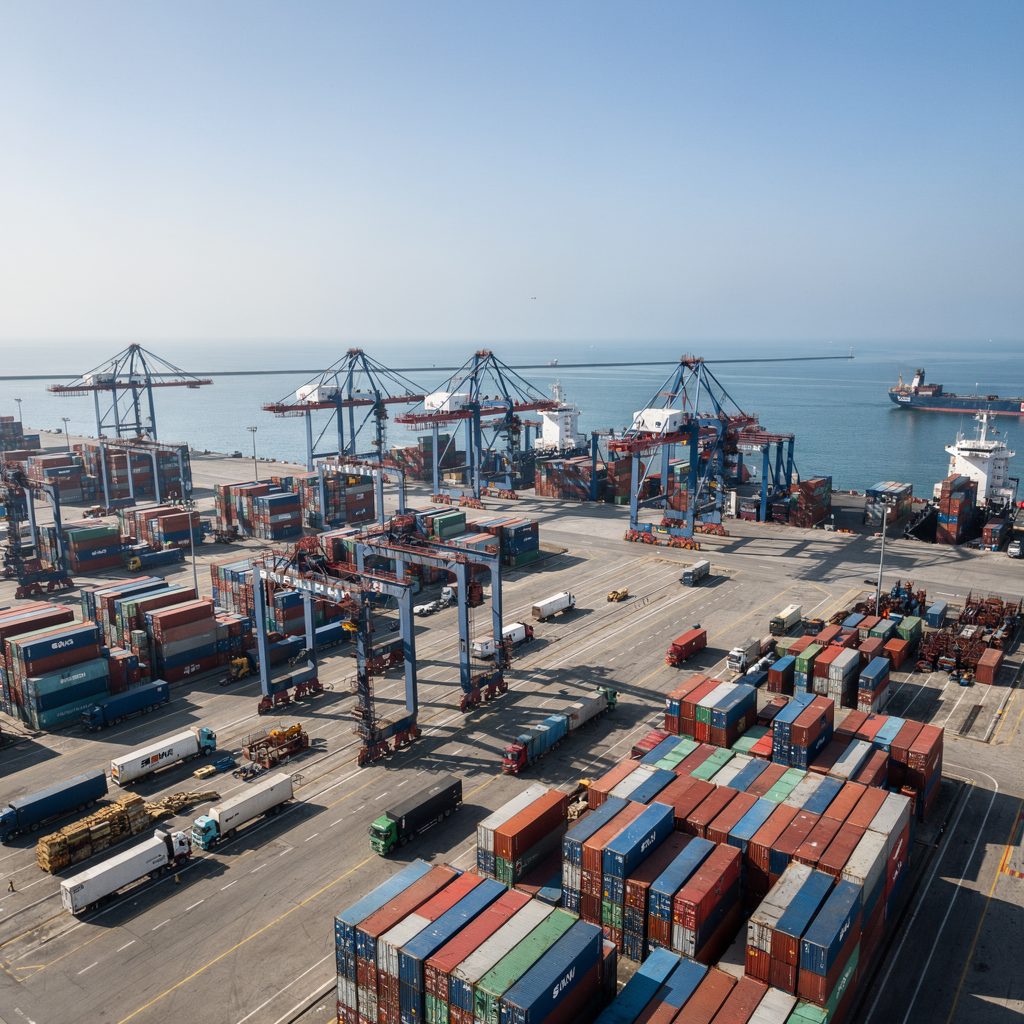
Drowning in a full terminal with replans, exceptions and last-minute changes?
Discover what AI-driven planning can do for your terminal
predictive analytics and forecast to optimize terminal workflows
First, define the predictive layer. Predictive analytics combine historical patterns, sensor streams, and probabilistic models to forecast future states. For example, a forecast of vessel arrivals and crane demand helps schedule moves proactively. This capability supports process optimization across quay and yard. In practice, digital twin technology couples a live virtual mirror to analytics to test how plans perform under uncertainty.
Second, show the most common uses. Operators use predictive maintenance to detect impending equipment failures. They also forecast gate surges and yard congestion. Consequently the terminal can reassign cranes or delay noncritical moves to balance workload. Envision Terminal Operations reports gains such as up to 20% higher equipment utilization and 15% lower vessel turnaround times when digital twins drive scheduling improvements Digital Twin for Ports | Envision Terminal Operations. Those metrics translate directly into throughput and cost benefits.
Third, explain how scenario testing optimizes quay crane allocation and yard stacking. Scenario testing runs alternative plans in a sandboxed simulator so teams compare outcomes on KPIs. For example, planners can test crane sequences that reduce rehandles while preserving berth service. Loadmaster.ai uses reinforcement learning agents trained inside a twin to discover policies that lower driving distance and improve crane utilization. These agents simulate millions of decisions, which gives robust solutions without depending on historical data.
Finally, include a single-use operational term. The system combines big data and AI to make data-driven decisions that cut idle time and reduce waiting times for trucks and vessels. For more on predictive terminal planning and specific algorithmic choices, consult predictive terminal planning for port operations predictive terminal planning for port operations. This link provides practical steps for deploying a forecast-enabled simulation and for measuring gains in terminal efficiency.
automation and streamline operations in smart port facilities
First, outline the automation components. Automated guided vehicles, autonomous cranes, and robotic yard handlers form the backbone of modern equipment fleets. When orchestrated by a twin, these systems follow tested plans with predictable outcomes. Therefore automation reduces manual intervention and improves safety metrics. In addition, digital control allows consistent execution across shifts.
Second, explain how the digital twin enables automated routines. The twin simulates complex interactions among AGVs, quay cranes, and yard machines. It verifies that timing, spacing, and safety margins work under different traffic conditions. Thus the twin enables digital testing of new control logic before it touches live operations. For example, a digital twin enables coordinated docking and job sequencing that optimizes truck turnaround and minimizes rehandles.
Third, detail the human-machine balance. Automation helps reduce risk, yet human oversight remains essential for exceptions. Loadmaster.ai focuses on balancing automation and human oversight by keeping explainable KPIs and operational guardrails. This approach lets AI agents propose task assignments while planners retain veto and tuning controls. As a result, terminals keep consistency without losing operator situational awareness.
Finally, add a single-use phrase about safety and measurement. Smart port implementations show measurable declines in accidents and faster maintenance and operations cycles. To explore practical equipment planning and deployment, review container terminal equipment planning explained container terminal equipment planning explained. This resource helps teams choose sensors, control systems, and user-friendly dashboards that integrate with both new automation and existing terminals.
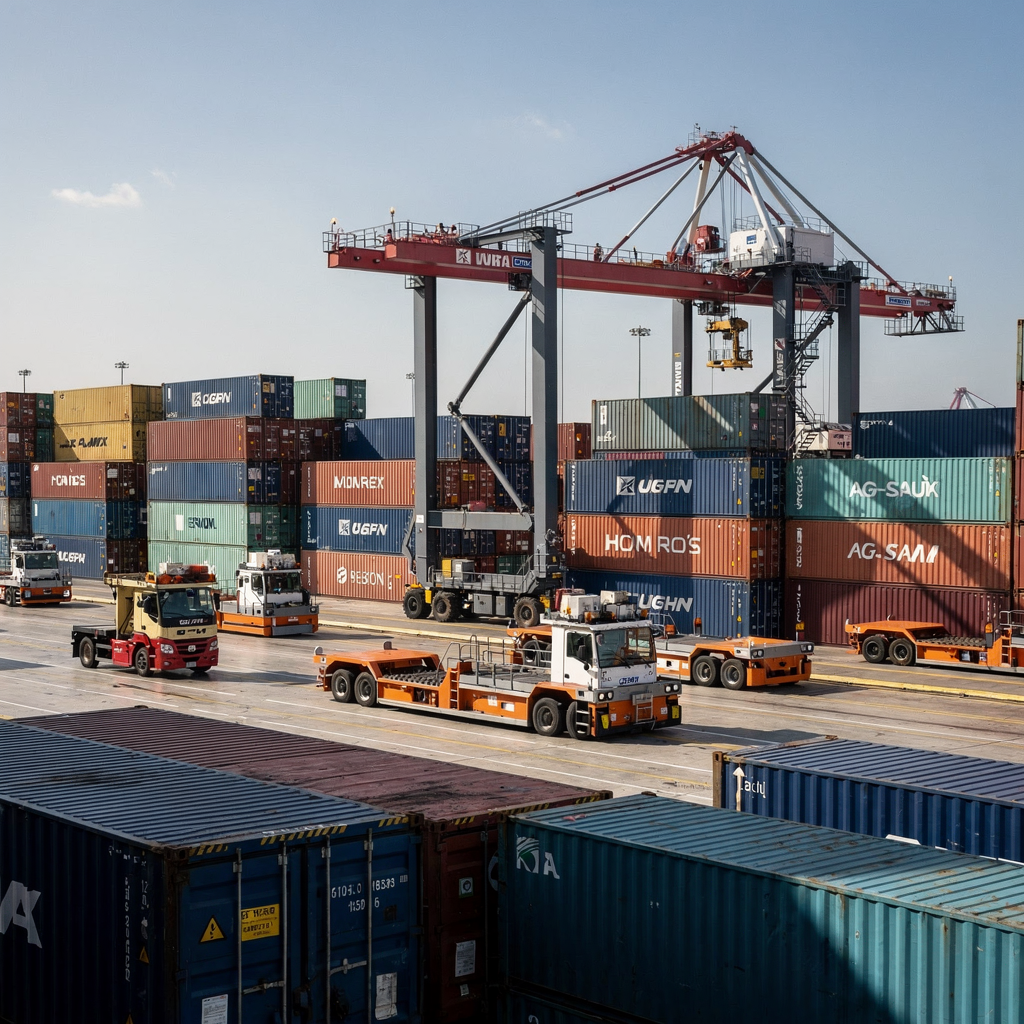
Drowning in a full terminal with replans, exceptions and last-minute changes?
Discover what AI-driven planning can do for your terminal
seamless integration with technology partner: port optimization and simulation technology
First, choose a technology partner with domain experience and flexible interfaces. Selection criteria should include TOS-agnostic integration, clear API support, and proven pilot-to-scale delivery. Partners that provide simulation technology and technology solutions help terminal teams implement a phased roadmap. For example, look for vendors that can spin up a sandbox digital twin and test policies before live deployment.
Second, outline the integration roadmap. Start with a data readiness assessment that identifies terminal data sources and required telemetry. Next, build connectors to the terminal operating system and to equipment telemetry. Then test a closed-loop workflow that runs simulations, accepts operator input, and pushes validated plans back to the control system. This closed-loop flow achieves continuous port optimization while limiting risk.
Third, describe how twin platforms link to existing management systems. The twin exchanges status with the Terminal Operating System and with third-party fleet management software. Once integrated, the twin can run what-if experiments that feed decision support screens for the terminal operator. This workflow reduces response time to delays and improves overall terminal KPIs. For hands-on examples of simulation tools and simulator setups, see the container yard simulation system overview container yard simulation system.
Finally, include a single-use phrase about partnership. A capable technology partner supports scalable deployment, operational governance, and mitigation strategies that protect service during rollout. The right partner offers software applications, training, and a clear plan to connect digital twin solutions to your existing terminals. This ensures that the complete terminal can shift from reactive firefighting toward steady state optimization.
AI, analytics, simulation to simulate and optimize sea port terminals
First, detail AI and ML usage. Advanced AI/ML algorithms detect anomalies, forecast demand, and support capacity planning. These models work with simulation tools and with reinforcement learning to derive policies that meet multi-objective KPIs. In particular, AI helps with optimizing container stowage and with balancing crane workload across shifts.
Second, explain analytics and stress-testing. Analytics pipelines ingest telemetry and historical data to build contextual models. Then simulation technology runs stress tests that surface potential bottleneck scenarios. This process shows where to invest in infrastructure or where to change traffic rules. For a systematic review of digital twin architecture and challenges, read a comprehensive review that covers design choices and domain impact A Comprehensive Review of Digital Twin.
Third, highlight resilience and sustainability. Scenario-based testing can model the carbon footprint of different yard layouts and shift patterns. Consequently managers can choose lower-emission schedules that still meet throughput goals. For case evidence that integrated models improve sustainability and resilience, consult the dry bulk terminal study that quantifies gains in resource allocation and risk management Digital Twin for resilience and sustainability assessment.
Finally, look ahead to next-generation features. Emerging technologies such as edge computing, 5G connectivity, and tighter iot ecosystems will speed simulations and improve real-time responsiveness. In addition, combining simulation software with big data and explainable AI enables decision makers to reduce rehandles, lower carbon footprint, and improve terminal throughput. For more on architecture and multi-agent planning, see AI-native container terminals with multi-agent planning architectures AI-native container terminals. This will help teams move from prototype to production with a clear control plan and measurable gains.
FAQ
What is a digital twin for terminals?
A digital twin is a digital representation of a physical terminal that mirrors its state, behavior, and performance. It allows operators to simulate scenarios, test plans, and make data-driven decisions without disrupting live operations.
How does real-time data feed a digital twin?
Real-time data streams from sensors, RTLS, and IoT devices feed the twin with current location and status information. This lets the simulation reflect the present state and supports rapid response to deviations.
Can a digital twin reduce vessel turnaround times?
Yes. Industry reports show well-implemented twins can reduce vessel turnaround by around 15%, by improving crane scheduling and reducing idle time. These gains come from better planning and fewer rehandles.
Do digital twins work with existing terminal operating systems?
They do. Most modern twins integrate via APIs or EDI into a terminal operating system to exchange plans and telemetry. This permits closed-loop simulation and execution.
What role does AI play in a terminal digital twin?
AI optimizes job sequencing, predicts failures, and automates decision-making within the twin. Reinforcement learning agents can train in simulation to propose superior policies without relying on historical data.
Are digital twins secure and compliant?
Yes, when designed with governance and audit trails they meet operational and regulatory needs. Secure deployments include constraints, explainable KPIs, and logs to support oversight and compliance.
How do twins improve sustainability?
Twins allow stress-testing of scheduling and routing to find lower-emission patterns and to reduce unnecessary moves. This can lower a terminal’s overall carbon footprint while maintaining throughput.
Can a twin help with maintenance planning?
Absolutely. Predictive models within the twin forecast equipment degradation so managers can schedule maintenance before failures occur. This reduces unplanned downtime and improves utilization.
What is a good first step to adopt a twin?
Begin with a data readiness assessment and a small pilot focused on a high-impact workflow. Then expand integration to more systems as confidence grows and benefits are measured.
How long before a twin delivers measurable ROI?
Time to value depends on scope and readiness but pilots often show measurable improvements within months. Careful metrics and phased rollout accelerate return on investment.
our products
 stowAI
 stackAI
 jobAI
jobAI
Innovates vessel planning. Faster rotation time of ships, increased flexibility towards shipping lines and customers.
Build the stack in the most efficient way. Increase moves per hour by reducing shifters and increase crane efficiency.
Get the most out of your equipment. Increase moves per hour by minimising waste and delays.
stowAI
Innovates vessel planning. Faster rotation time of ships, increased flexibility towards shipping lines and customers.
stackAI
Build the stack in the most efficient way. Increase moves per hour by reducing shifters and increase crane efficiency.
jobAI
Get the most out of your equipment. Increase moves per hour by minimising waste and delays.