
Understanding Predictive Maintenance in Container Terminal Operations
Predictive maintenance uses sensor feeds, data analysis, and AI to forecast faults before they force repairs. First, this method differs from reactive fixes and from calendar-based preventive maintenance. Reactive teams wait for failures. Scheduled teams replace parts on a fixed timetable. In contrast, condition-based actions let maintenance teams act when metrics show wear. Also, the shift reduces unnecessary component changes and tailors maintenance planning to actual use.
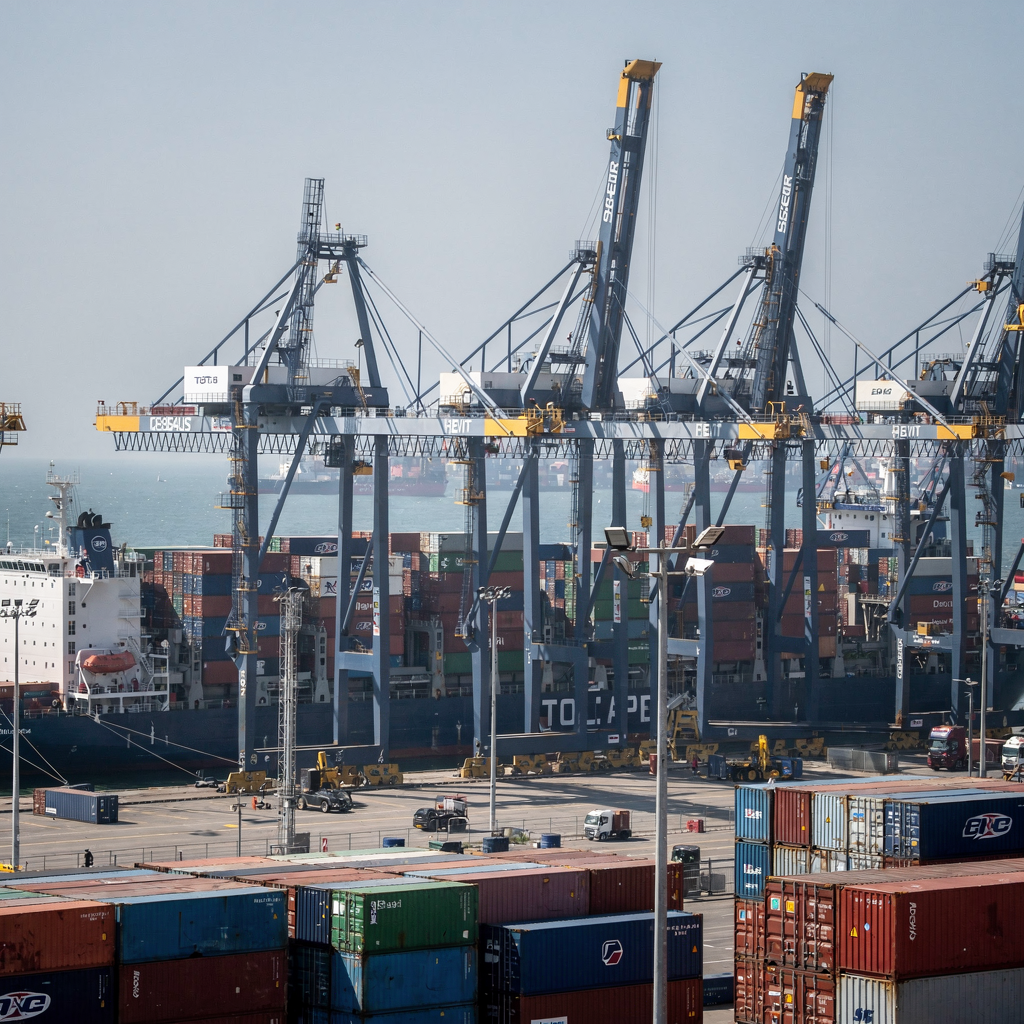
Deepsea container port cranes and container crane fleets face heavy loads and salty air. Therefore, downtime in port equipment directly slows cargo handling. For example, studies on port equipment downtime document lengthy stoppages that hit throughput and increase maintenance costs [Port Equipment Downtime Prediction and Lifetime Data Analysis]. Next, ports that adopt predictive maintenance report meaningful gains. One criticality analysis found improved equipment availability of up to 20%–30% when condition-based programs replaced older practices [Criticality Analysis of A Sea Port’s Shore Cranes]. Thus, terminals gain faster vessel turnaround, lower maintenance costs, and better allocation of maintenance work.
Moreover, predictive maintenance reduces unplanned downtime by anticipating faults. Also, it brings clearer maintenance strategies. Furthermore, implementing predictive maintenance supports proactive maintenance and improves maintenance schedules. In addition, the approach helps planners cope with mixed vessel calls and peak windows, so terminal operations run more predictably. As a result, container terminal operating staff and port operators can focus on efficiency and safety while the system flags issues for timely repair.
Finally, the application has extra benefits for inspection regimes. For example, targeted crane inspections can replace blanket checks. Consequently, inspections focus on likely failure points in crane structures and mechanical subsystems. Ultimately, predictive maintenance makes crane reliability measurable and repeatable, and it starts the move toward broader maintenance management that controls both maintenance and repair costs. For further reading on machine-driven port decisioning, see our guide to machine learning use cases in port operations machine learning use cases in port operations.
AI and Machine Learning for Port Crane Downtime Reduction
AI and machine learning models analyze patterns in telemetry to forecast failures. First, supervised models learn from labeled events. Next, anomaly detection finds deviations from normal. Then, probabilistic models estimate remaining useful life for bearings, cables, and motors. Also, reinforcement learning optimizes maintenance priorities and sequences. In addition, AI models can balance crane performance with yard balance and turn constraints into actionable plans.
For instance, data-driven lifetime analysis of gantry cranes showed models that predicted failure probabilities and helped cut unscheduled downtime by about 25% [life-time analysis]. Also, a criticality study reported that predictive work could boost availability by 20%–30% across shore cranes [criticality study]. Therefore, ports that use AI models and predictive analytics see measurable gains in crane performance and lower maintenance costs. Furthermore, the application of AI in container terminals extends beyond alarms. For example, AI can sequence ship-to-shore crane moves to reduce rehandles and idle time.
Model validation is essential. First, models need labeled failure events, and then they must be tested against out-of-sample periods. Also, data quality matters because noisy inputs mislead algorithms. Therefore, teams tune machine learning algorithms and combine them with physics-based rules. In addition, explainable AI helps operators trust predictions. For deeper technical context on algorithms applied to port tasks, explore our article on machine learning use cases in port operations machine learning use cases in port operations.
Finally, ports should plan change management. Also, use AI to augment—not replace—operator judgment. As a result, the modern port can use AI to reduce downtime and to improve consistency across shifts. In short, use AI to predict faults, to prioritise maintenance activities, and to protect crane reliability while keeping terminal productivity high.
Drowning in a full terminal with replans, exceptions and last-minute changes?
Discover what AI-driven planning can do for your terminal
Sensor Networks for Real-Time Monitoring in Port Environments
Robust sensor networks collect the signals that predictive systems need. First, key sensors include vibration, temperature, humidity, and load cells. Also, accelerometers and strain gauges track subtle structural shifts. Next, environmental probes monitor port environments so algorithms can separate weather effects from mechanical wear.
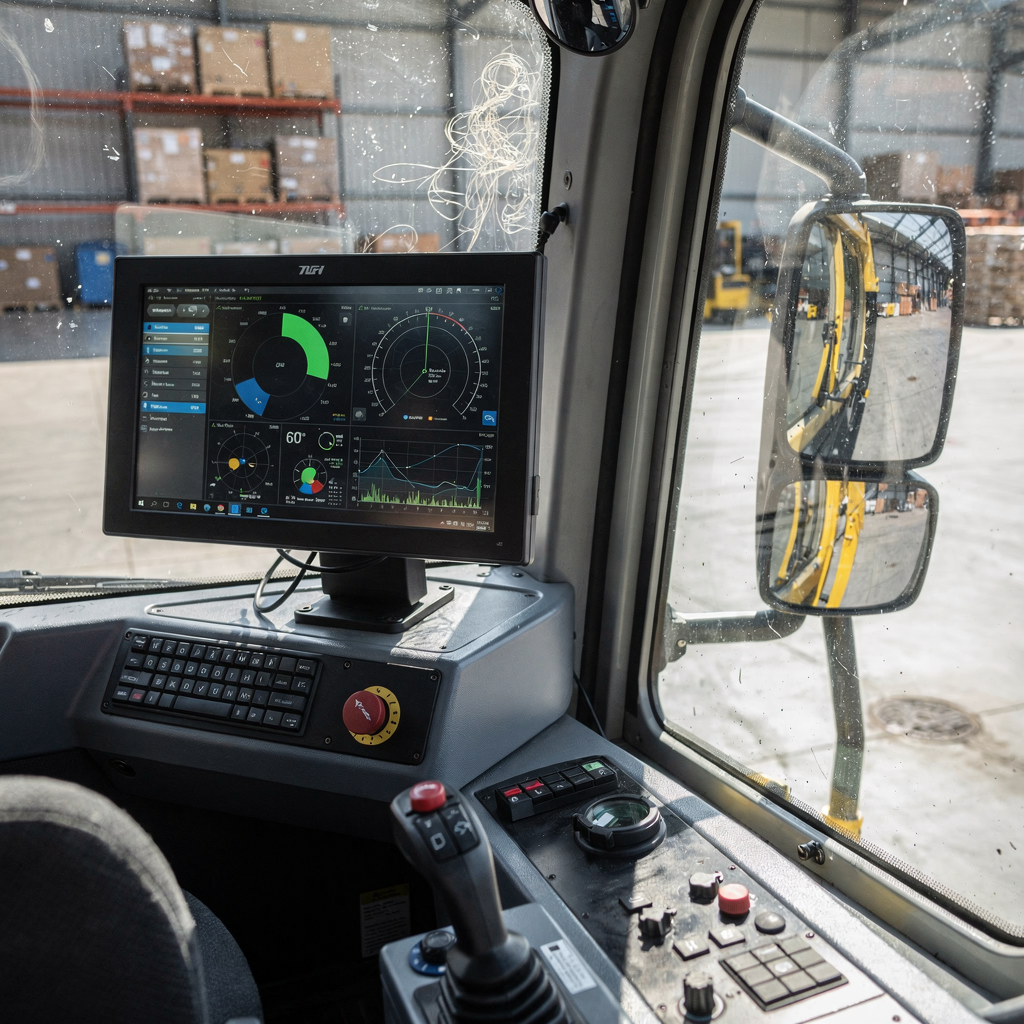
Real-time collection relies on edge computing to pre-process streams and to fire alerts without heavy cloud roundtrips. Also, alert thresholds run on local controllers so operators get fast warnings. Meanwhile, real-time data feeds into the digital twin and into AI models to produce maintenance predictions before faults become failures. Furthermore, autonomous crane monitoring systems use continuous metrics to identify bearing wear, cable fatigue, and misaligned gears. As a result, maintenance teams receive targeted work orders instead of broad inspections.
Crane inspections become smarter. For example, vibration trends can reveal early bearing distress weeks before a breakdown. Also, temperature rises in winches often precede electronic faults. Therefore, combining multiple sensor modalities reduces false positives. In addition, port equipment downtime can fall when teams act on validated sensor alarms [downtime study]. Also, predictive strategies cut maintenance costs by avoiding premature replacements and by focusing maintenance activities where they matter.
Moreover, integrating sensor telemetry with scheduling systems improves maintenance planning and maintenance schedules. First, teams can align planned repairs with vessel windows and with turnaround time targets. Next, this approach limits delay to operations and to loading and unloading tasks. For practical tactics on real-time replanning at the terminal edge, read our piece on real-time container terminal replanning strategies real-time container terminal replanning strategies. Finally, combining sensors with human expertise yields comprehensive maintenance and better crane reliability.
Digital Twin and AI-Driven Predictive Maintenance for Crane Operators
Digital twin technology builds a live virtual replica of a crane and its systems. First, the twin ingests streams from sensors, historical maintenance logs, and environmental feeds. Also, it simulates loads, wear, and failure modes to test scenarios. Next, AI models run inside the twin to rank risks and to recommend interventions. In short, the twin enables predictive maintenance by reproducing real behaviour in a safe, fast simulation.
Recent studies show high predictive accuracy from digital twin systems. For example, temperature and humidity correlations reached 0.9855 and 0.9181 respectively [digital twin accuracy]. Therefore, operators gain trust in AI-driven insights. Also, an ai-driven predictive maintenance layer helps operators decide whether to stop a quay crane or to keep it running while scheduling a repair. In addition, the system can recommend maintenance work by severity and by impact on throughput.
AI-driven predictive maintenance brings practical benefits to the operator. First, it reduces firefighting and shifts the team to planned interventions. Also, it enables predictive analytics that prioritise tasks so maintenance work fits vessel windows. As a result, prediction contribute to saving maintenance. Also, these prediction contribute to saving maintenance team effort because they focus on true faults. Next, the outcomes include saving maintenance team time and lower maintenance costs.
Furthermore, digital twins support training and testing. For example, operators can rehearse emergency procedures in the twin. Also, teams can validate maintenance strategies against simulated peaks and against the peculiarities of crane structures. Finally, because the twin enables predictive maintenance and because it links to job sequencing, it integrates into automated container workflows and supports comprehensive maintenance across the equipment fleet.
Drowning in a full terminal with replans, exceptions and last-minute changes?
Discover what AI-driven planning can do for your terminal
Port Terminal Automation and Smart Port Logistics
Automation connects maintenance signals to execution. First, port terminal automation workflows coordinate crane work, yard moves, and gate flows. Also, automated container systems relay maintenance flags directly into job queues so dispatchers can avoid affected assets. Next, smart port concepts fold these capabilities into overarching logistics and into port infrastructure investments.
Smart ports reduce port congestion and improve port efficiency. For example, linking crane health to scheduling prevents assigning a damaged crane to a peak container move. Also, automation supports balanced workloads across cranes and across the yard. Therefore, terminal operations can keep vessels on schedule and lower delay. In addition, connecting predictive systems to terminal operating software helps maintain an efficient port during surges in container ship arrivals.
Use AI to harmonise job sequencing and to protect quay throughput. First, systems like reinforcement-learning agents can test trade-offs between crane productivity and yard congestion. Also, our Loadmaster.ai agents spin up a digital twin to train policies that optimise multiple KPIs. For further reading on portal trolley and quay-side optimisation under pressure, see our insights on optimizing portal trolley utilization under peak vessel operations optimizing portal trolley utilization under peak vessel operations. Next, integration with port logistics platforms ensures that maintenance decisions align with cargo flows.
Finally, the modern port benefits from reduced maintenance work that used to cause vessel delay. Also, smart scheduling lowers maintenance and repair disruptions. Consequently, throughput rises and turn times shrink. In short, intelligent port systems tie predictive maintenance to operational goals so every container moves faster and safer.
Enhancing Productivity and Supply Chain Resilience in Container Handling
Predictive maintenance delivers measurable productivity gains. First, studies show crane availability improvements of 20%–30% when ports shift to condition-based approaches [availability study]. Also, terminals reported about 25% reductions in unscheduled downtime after deploying data-driven lifetime analysis [downtime analysis]. Therefore, these gains translate into faster turnaround time and fewer delays for container ship calls.
Next, reduced downtime in port improves supply chain resilience. For example, consistent crane reliability stabilises yard flows and reduces rehandles. Also, fewer equipment stoppages mean lower maintenance costs and less risk of cascading port congestion. As a result, shippers face fewer delays and overall port throughput improves. In addition, predictive analytics support maintenance strategies that extend component life and that lower long-term maintenance costs.
Looking forward, the trend points to green and self-optimising ports. First, predictive schedules will blend with energy management to reduce emissions. Also, AI will coordinate moves to minimise empty container relocations and to cut unnecessary container transportation inside the yard. Next, ports such as the Red Sea gateway terminal explore automation to handle larger container volumes and to support regional trade. In particular, predictive maintenance of cranes red and maintenance of cranes red sea become priorities for terminals that process super panamax quayside container calls.
Finally, integrating predictive maintenance with terminal decisioning contributes to saving maintenance team overhead while improving maintenance practices. Also, autonomous crane monitoring, comprehensive maintenance planning, and proactive maintenance will shape resilient global port operations. For terminals aiming to modernise, implementing predictive maintenance offers a clear path to higher productivity, lower maintenance schedules conflict, and a more efficient port overall.
FAQ
What is predictive maintenance for port cranes?
Predictive maintenance uses sensor data, AI, and analytics to forecast component failure before it happens. It replaces calendar-based checks with condition-based actions that save maintenance costs and reduce unplanned downtime.
How does AI reduce downtime in port operations?
AI analyses patterns, predicts failures, and prioritises repairs so cranes run longer between stoppages. It also helps planners sequence repairs to fit vessel windows and to protect productivity.
Which sensors are essential for crane maintenance?
Key sensors include vibration, temperature, humidity, and load cells. They provide the signals needed for real-time monitoring and for feeding AI models that detect early wear.
What is a digital twin and how does it help operators?
A digital twin is a live virtual model of a crane that mirrors sensor streams and system states. It lets operators simulate faults, validate fixes, and receive AI-driven recommendations without risking actual downtime.
Can predictive maintenance cut maintenance costs?
Yes, by preventing unnecessary part replacements and by reducing emergency repairs, predictive maintenance lowers maintenance costs. It also improves maintenance planning so crews work more efficiently.
How do predictive systems affect ship turnaround time?
By reducing unexpected failures, predictive systems keep cranes available for scheduled loading and unloading. That shortens turnaround time and reduces delay for container ship calls.
Do terminals need historical data to start predictive maintenance?
Historical data helps, but it is not always required. Simulation and digital twins can bootstrap models, and then live data refines predictions. Also, modern methods can learn from limited events when combined with physics-based rules.
How does predictive maintenance tie into smart port strategies?
Predictive maintenance integrates with port terminal automation to prioritise jobs, to balance workloads, and to avoid assigning impaired equipment during peaks. This supports smart port goals like reduced congestion and higher port efficiency.
Is predictive maintenance suitable for older crane fleets?
Yes, retrofitting sensors and using edge analytics can bring older cranes into a predictive program. This approach avoids full replacements and targets maintenance where it yields the largest benefit.
What immediate benefits should terminal operators expect?
Operators typically see better crane availability, fewer unplanned stoppages, and clearer maintenance schedules. They also gain improved crane inspections, lower maintenance work disruptions, and steadier port logistics performance.
our products
 stowAI
 stackAI
 jobAI
jobAI
Innovates vessel planning. Faster rotation time of ships, increased flexibility towards shipping lines and customers.
Build the stack in the most efficient way. Increase moves per hour by reducing shifters and increase crane efficiency.
Get the most out of your equipment. Increase moves per hour by minimising waste and delays.
stowAI
Innovates vessel planning. Faster rotation time of ships, increased flexibility towards shipping lines and customers.
stackAI
Build the stack in the most efficient way. Increase moves per hour by reducing shifters and increase crane efficiency.
jobAI
Get the most out of your equipment. Increase moves per hour by minimising waste and delays.